There are two spiritual dangers in not owning a farm. One is the danger of supposing that breakfast comes from the grocery, and the other that heat comes from the furnace.”
Aldo Leopold
I recently posted on Facebook about our first experience processing a group of roosters that we raised from day old chicks. Most of the feedback was positive but there was also a shocking amount of people who are so far removed from where their food comes from, that I was called evil, awful, senseless, a betrayer of trust, pointless, heartless, and thief of my kids’ friends and joy. Some went so far as to call me a murderer of the innocent and that it was the same as killing my own kids.
Many people seem to have forgotten that food and warmth don’t just magically appear. They come from sacrifice, from hard labor, and ultimately from God’s provision. Meat bought from the store is sanitized and neatly packaged so the consumer doesn’t have to feel the weight of it. Because there is a weight to taking responsibility for the life that will become nourishment for your family. It isn’t an easy thing. It shouldn’t be an easy thing.
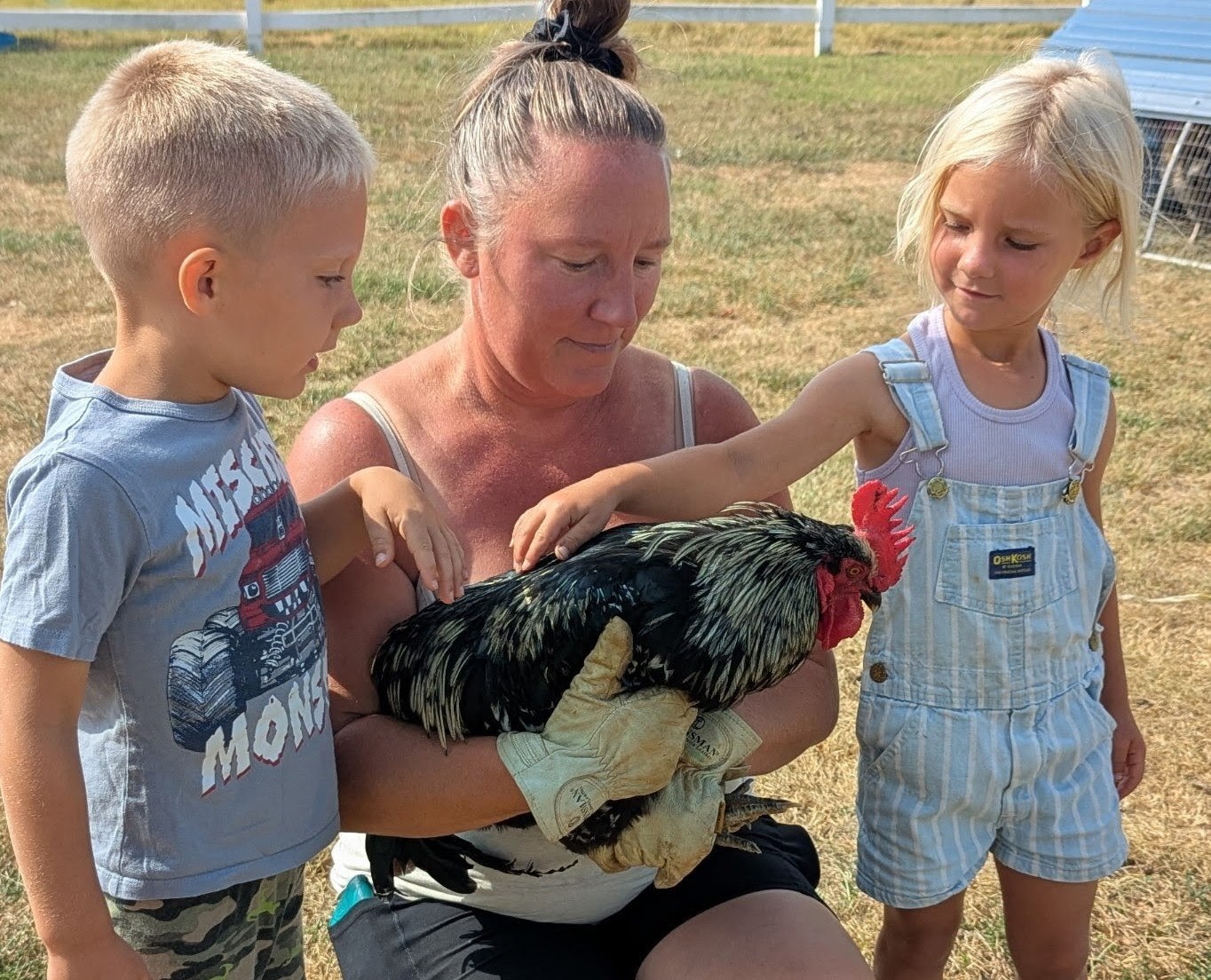
However, there is nothing evil about facing the reality of where food comes from. Our roosters never knew hunger, fear, or pain; they had a good life until the very end. To me, this is a much better fate than giving them away or dumping them at an auction where they face an unknown fate; where they will certainly know fear and uncertainty at best, but perhaps much worse. As for the comments about stealing and killing my kids’ pets, my four-year-old kids understand the circle of life and where our food comes from. They have a much better grasp of this than even many adults have these days.
Perhaps that is the spiritual danger Aldo Leopold was warning about. When we forget the origins of our food, we forget gratitude. We forget stewardship. We forget humility. We aren’t being honest with ourselves. There is no cruelty here – just connection. Connection to the land, to the creatures in our care, and to the Creator who gave us both. When you know the cost, gratitude and appreciation grows deeper. We can also ensure that our food was raised healthily and with dignity.
In the end, farming the hard way isn’t about cruelty – it’s about health, honesty, gratitude, and connection. It is about recognizing the work, care, and sacrifice behind every meal. It isn’t easy but it fosters respect, responsibility, and true nourishment.
Have you ever been persecuted for farming the hard way?


 Radiant Roots
Leave a comment and let me know what you think!