“Learning can only happen when a child is interested. If he’s not interested, it’s like throwing marshmallows at his head and calling it eating.”
Katrina Gutleben
My twins are only 4 years old but that doesn’t mean we haven’t started “school”. They have been learning voraciously. As I have mentioned in another blog post, I am not a kid person. I avoided children for the most part until I became a mom. So, I am not an expert in child education by any means. I am just a mom who is doing the best I can for my children. However, my twins are actually ahead of many children their age in multiple aspects of educational development: physical, cognitive, language, math, literacy and social-emotional development.
How did that happen? Well, for starters, God gave me amazing kiddos. I also pray often for God to help me make the correct decisions for them. And I have done a LOT of research. As a mother, through prayer, intuition and research, I have developed VERY strong feelings about schooling. I decided when I was still pregnant that I would be homeschooling. Then came the floods of homeschooling curriculum to wade through. There are so many choices out there now that you can find a curriculum for just about anyone.
However, the more I dug into all the information out there, the more I became convinced that for our family situation and what I want for my kids, formal curriculum isn’t going to be a good fit. I want a homeschooling approach that emphasizes my children’s natural curiosity and interests and encourages their love of learning. I want them set up to learn all the time outside of a structured school setting during every day, real life activities. I want them to have an education that will set them up for a successful and fulfilling life.
“The best education does not happen at a desk but rather engaged in everyday living – hands on exploring, in active relationship with life.”
Vince Gowmon
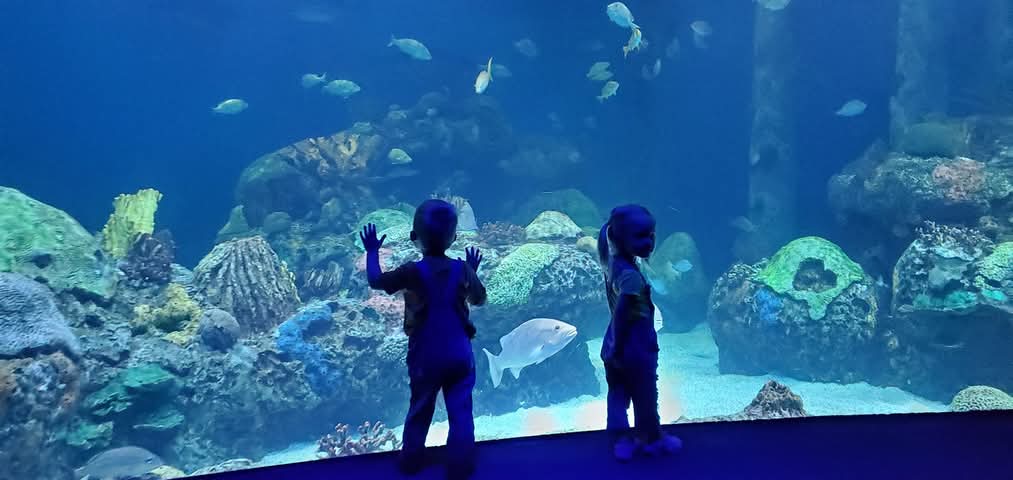
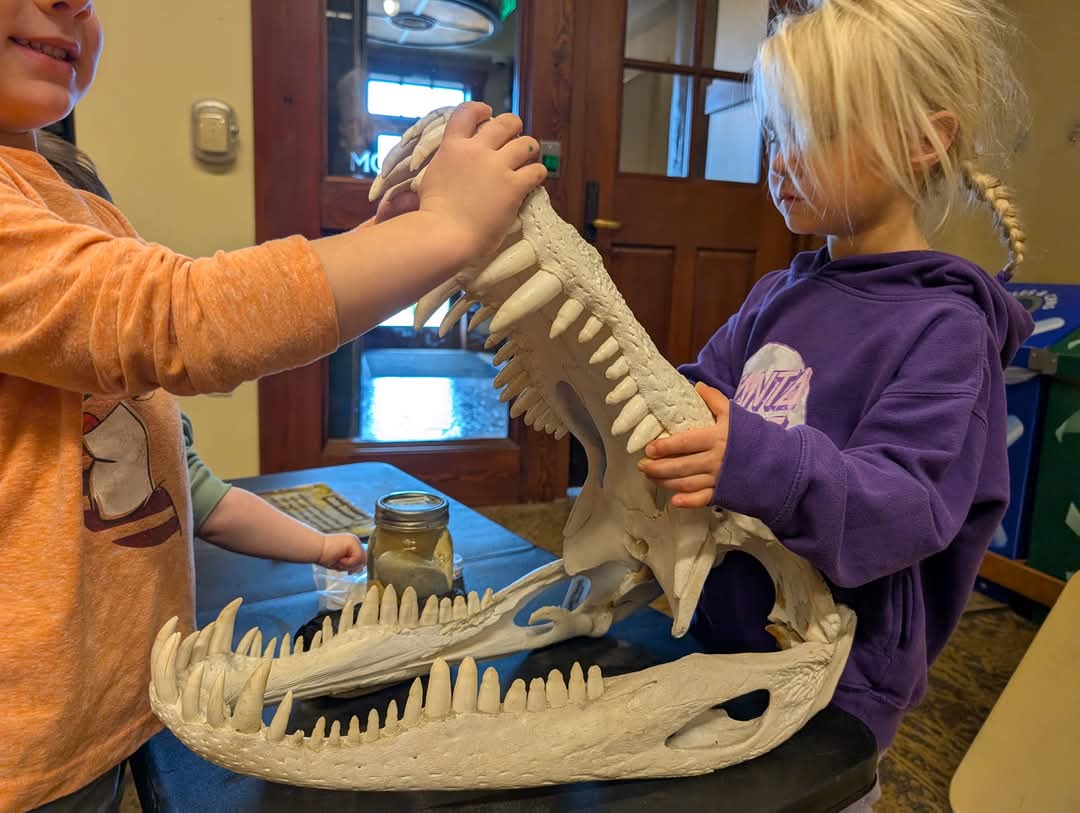
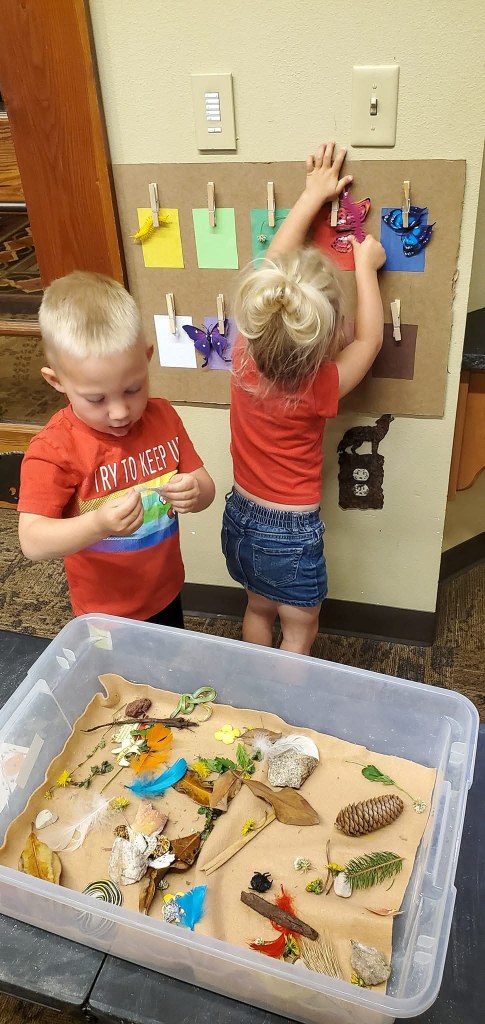
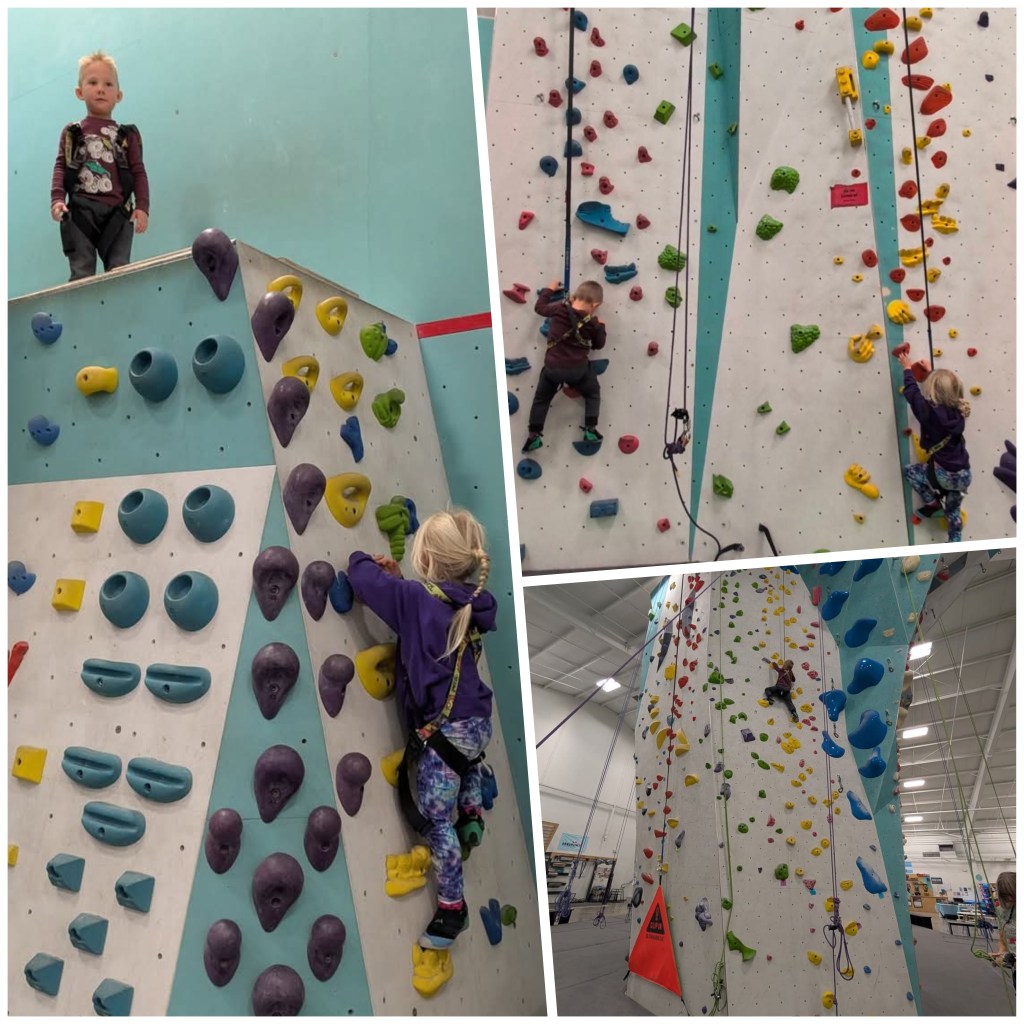
The best kind of learning is the process of exploration and discovery into topics that capture interest and curiosity. I don’t want them sitting down doing paperwork and completing tasks. Rather than having them just give answers to a list of questions, I want THEM asking the questions and learning to use critical thinking and how to gain a deeper understanding of things. I want them playing games, visiting museums, learning with family and friends, pursuing hobbies, building, cooking, crafting, doing art and science experiments, exploring nature, looking at the stars, and reading our entire library of books. I want them taking field trips to wonders of wildlife, aquariums, zoos, music classes, rock climbing, fossil hunting, and meeting experts in any and all fields that interest them.
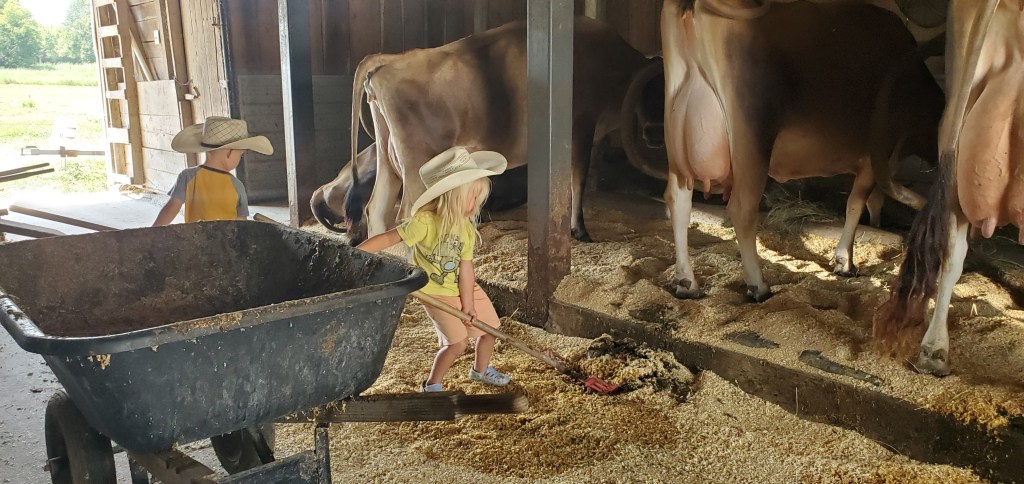
This form of schooling is definitely not for everyone. It is a ton of work for the parent and many of the activities require monetary investment. We farmstead which has its pros and cons for this approach. For starters, as dairy farmers, we can’t be gone from the farm for long periods of time and never during milking time. The farmstead keeps us super busy year round so adding homeschooling is NOT the easy option. However, the farmstead can also provide a ton of learning opportunities.
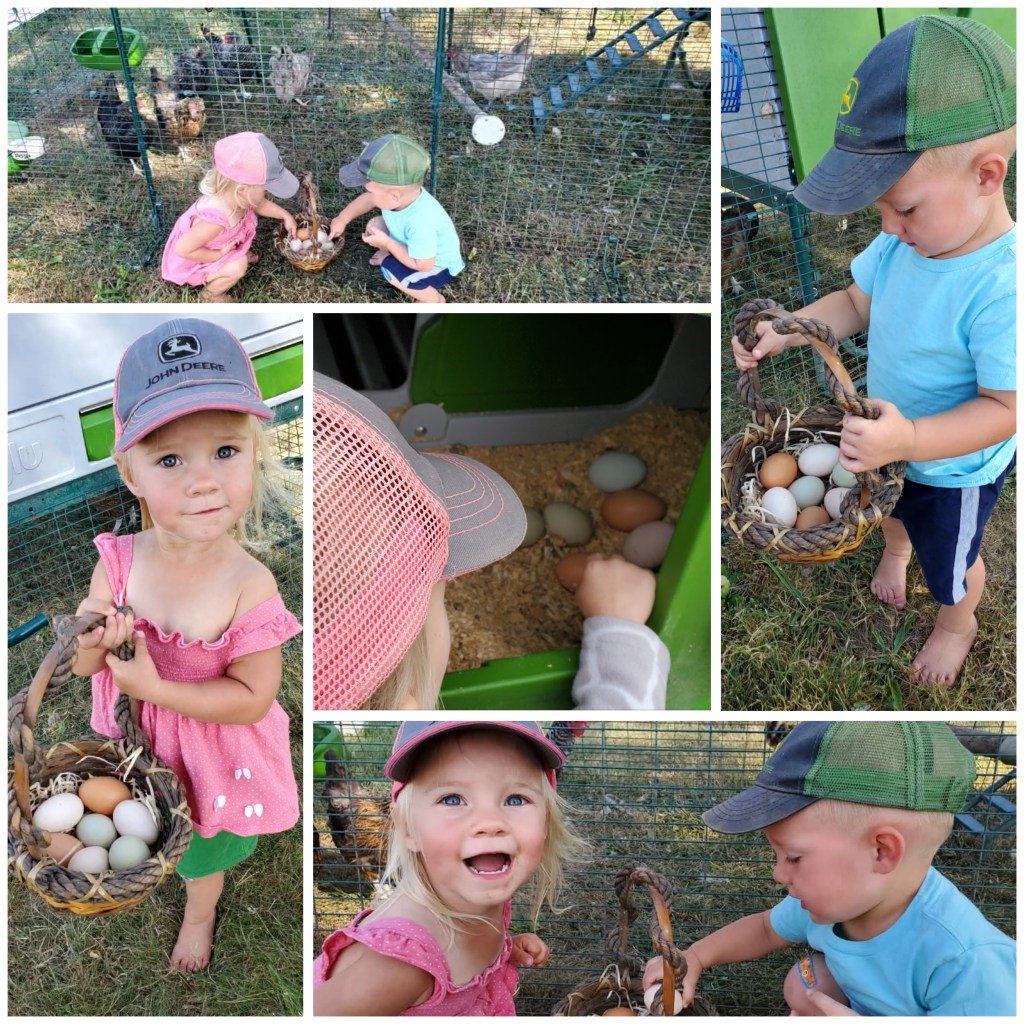
Our twins already have their own chicken flock and learned early on how to care for their chickens. They know how to feed and water them, how to clean the coop, and how to collect and count the eggs. The eggs are sold in our farm store and that money goes into the twins’ bank accounts. As they get older, they will learn about budgeting, banking, and the ins and outs of their own small business.
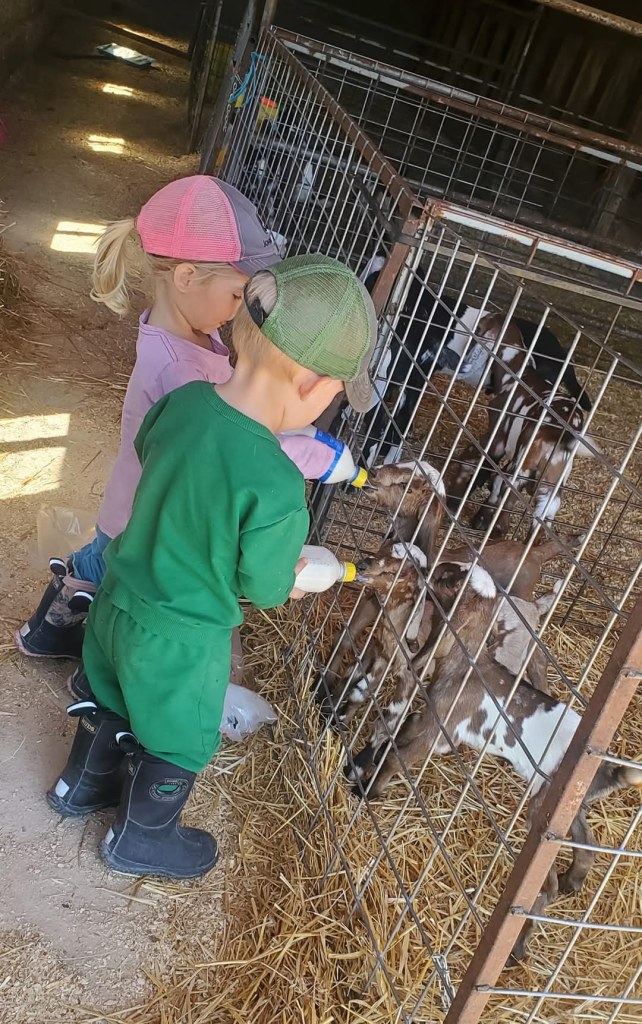
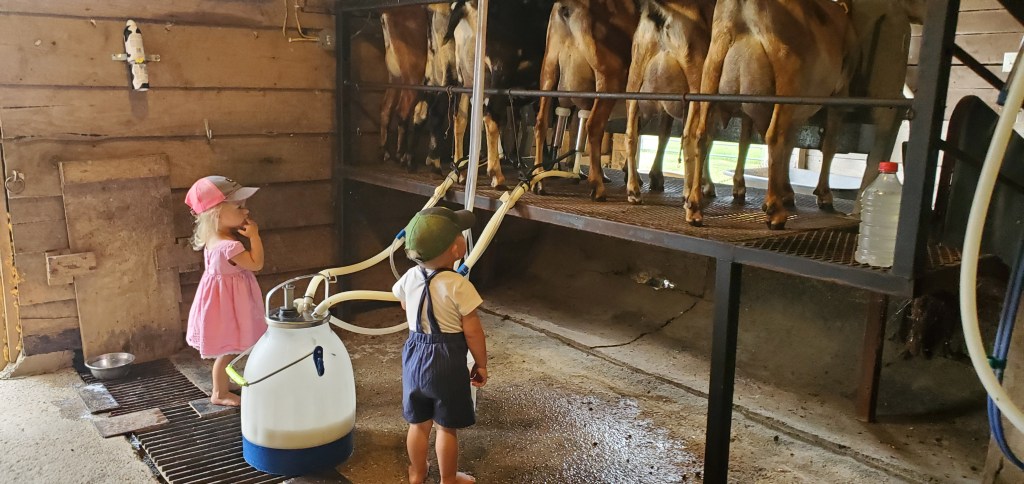
The twins know where meat and milk come from and they understand basic animal husbandry. They help with feeding, watering and caring for all the livestock on the farm. They have seen animals born, take their first steps and first drink of their mother’s colostrum. They have seen animals become ill or injured and seen the process of how to care for them and learned to pray for them to heal. They have seen animals die – either from old age or to feed our family. They understand the cycle of life.
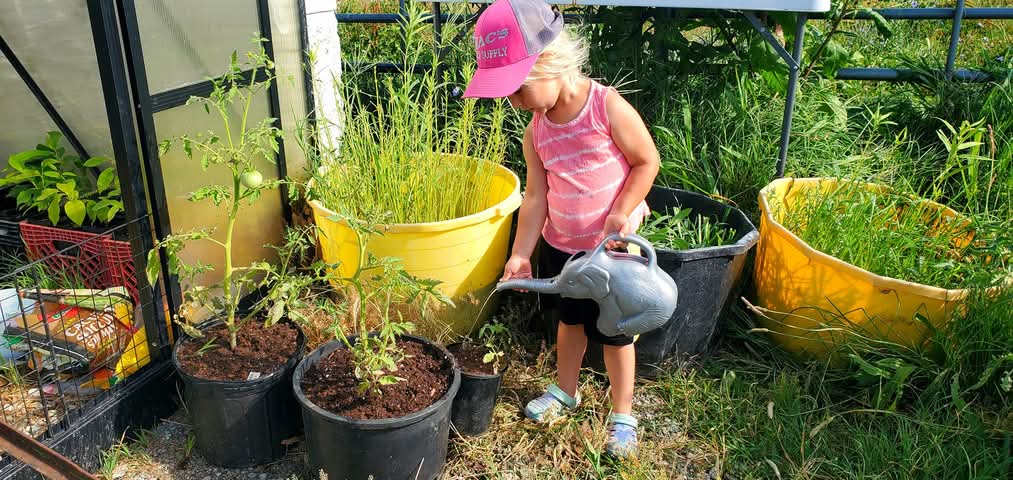
They know about planting seeds, germination, how to water and care for garden plants, how to harvest vegetables and they have observed some food preservation techniques. As they get older, they will have more hands on experience with food preservation. They have seen food grow and then fill our freezers and pantry. Gardening has taught them patience as they wait to see seeds sprout, and perseverance when their first attempt fails but then they try again.
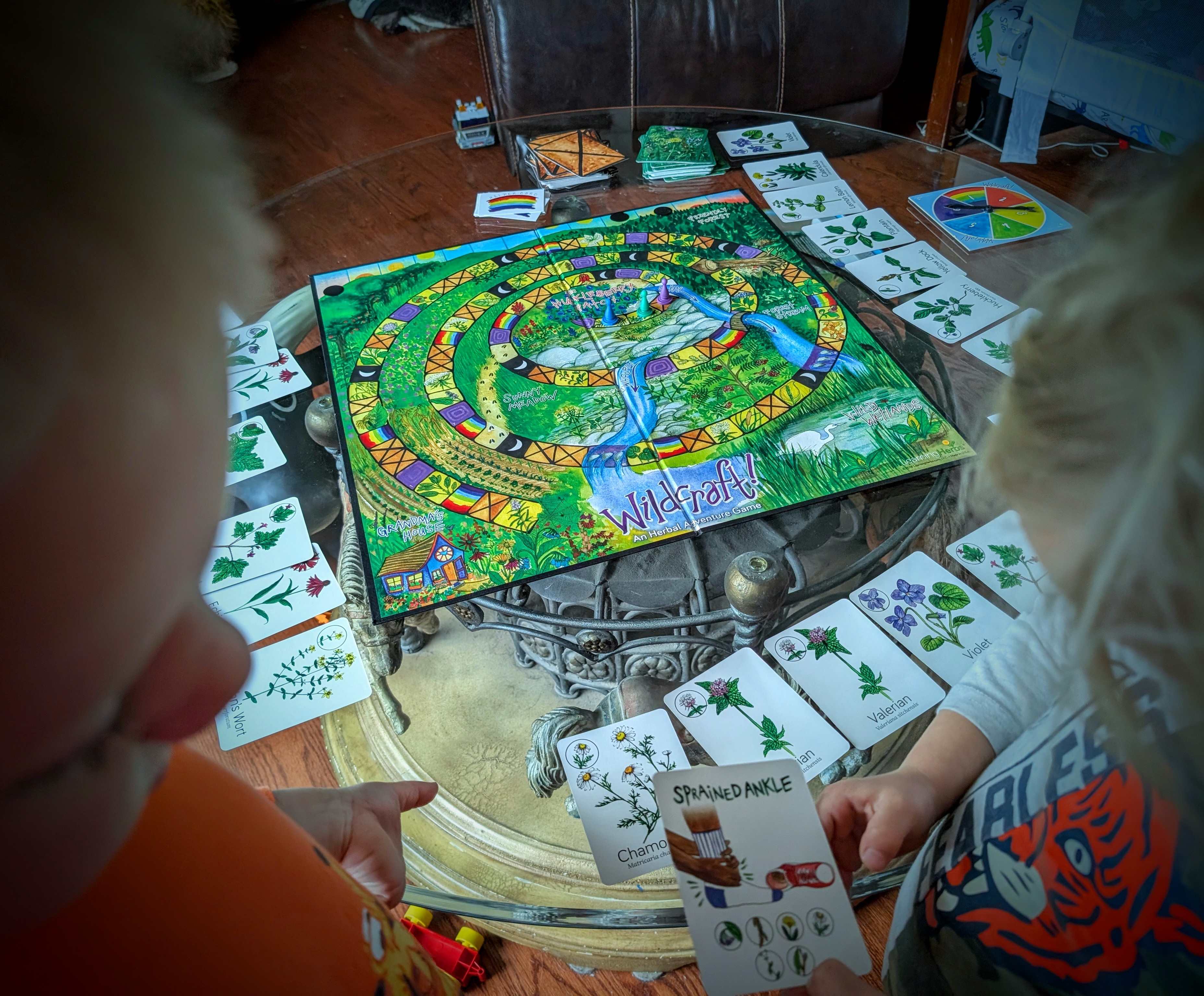
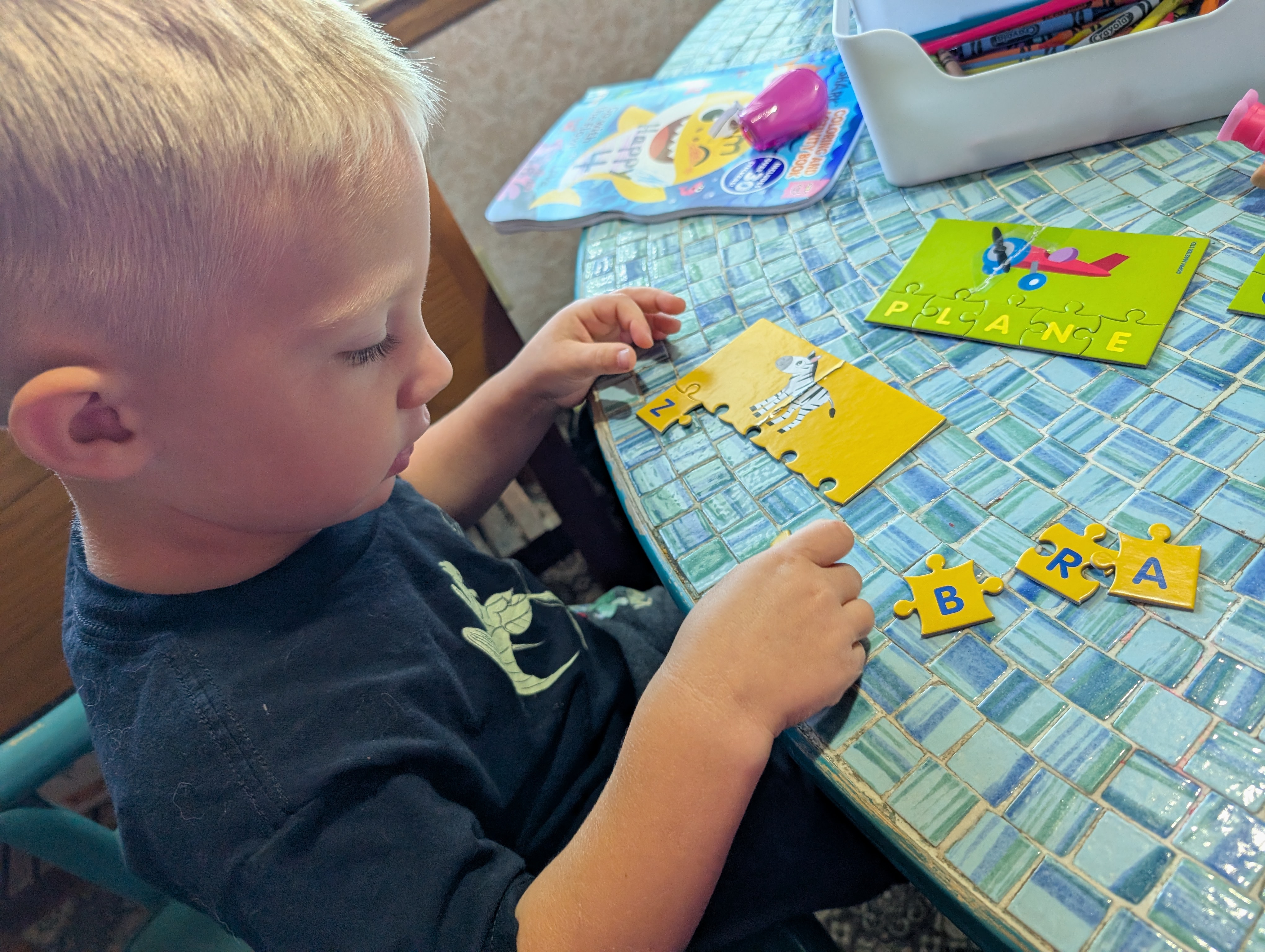
Through games they have learned about different ailments and the plants that grow around them which can help those ailments. They have learned sight words, counting, spelling, how to strategize and how to work as a team. They have developed memory and observational skills, how to problem solve, tell time and do simple math through playing games.
I could go on and on with specific examples but the point is, there really is no end to the valuable knowledge my kids can gain just being raised on a farmstead. Important life skills such as responsibility, teamwork, discipline, patience, problem solving, compassion, respect, creativity, self-motivation, the value of a dollar, work ethic, how to handle loss or disappointment, even understanding life and death.
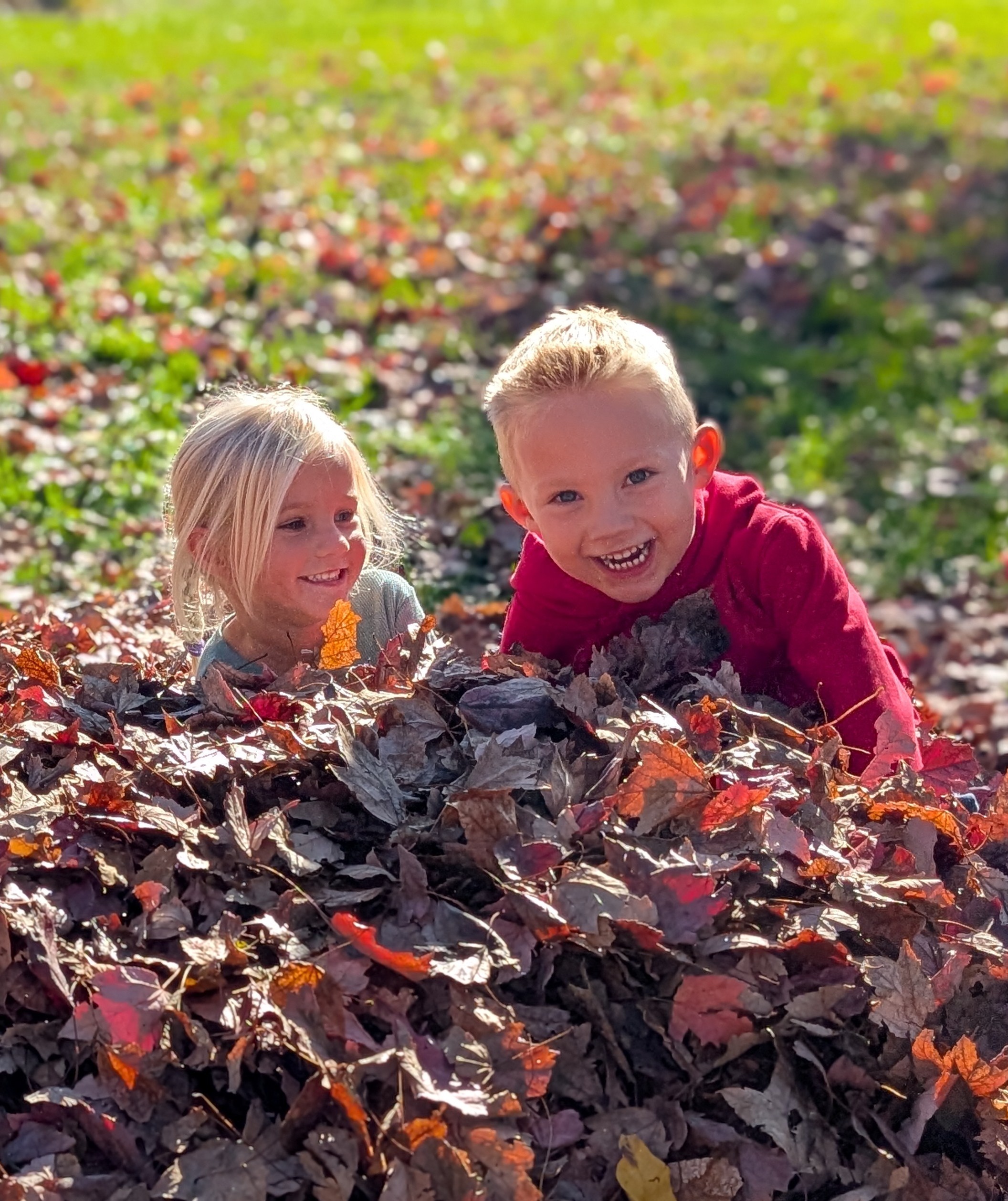
There is also the simple fact that this lifestyle and style of learning keeps the kids active which is so much more healthy and translates to better behavior when they do have to be still and quiet (such as in church or in other public spaces). My kids may run feral here at home but they are extremely well behaved in public and can sit through an entire church service without fidgeting. This is not a parenting flex – I truly believe it is just a product of our lifestyle. Kids are meant to be active and learning directly from their environment through exploration and experiences. Again, I realize this way of life and schooling is not for everyone, but for my family, I wouldn’t have it any other way.
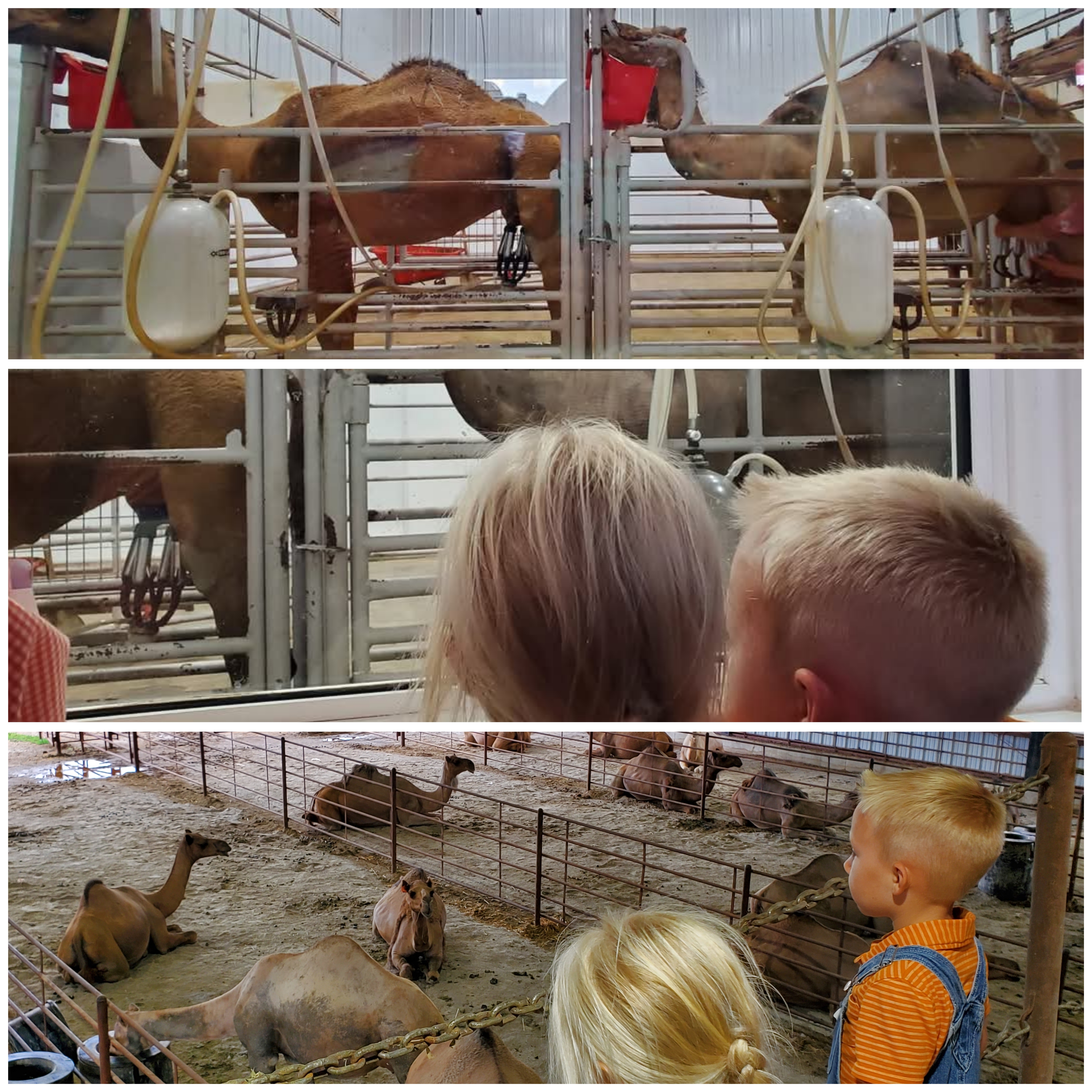
Camel dairy where we toured the entire facility and sampled camel milk.
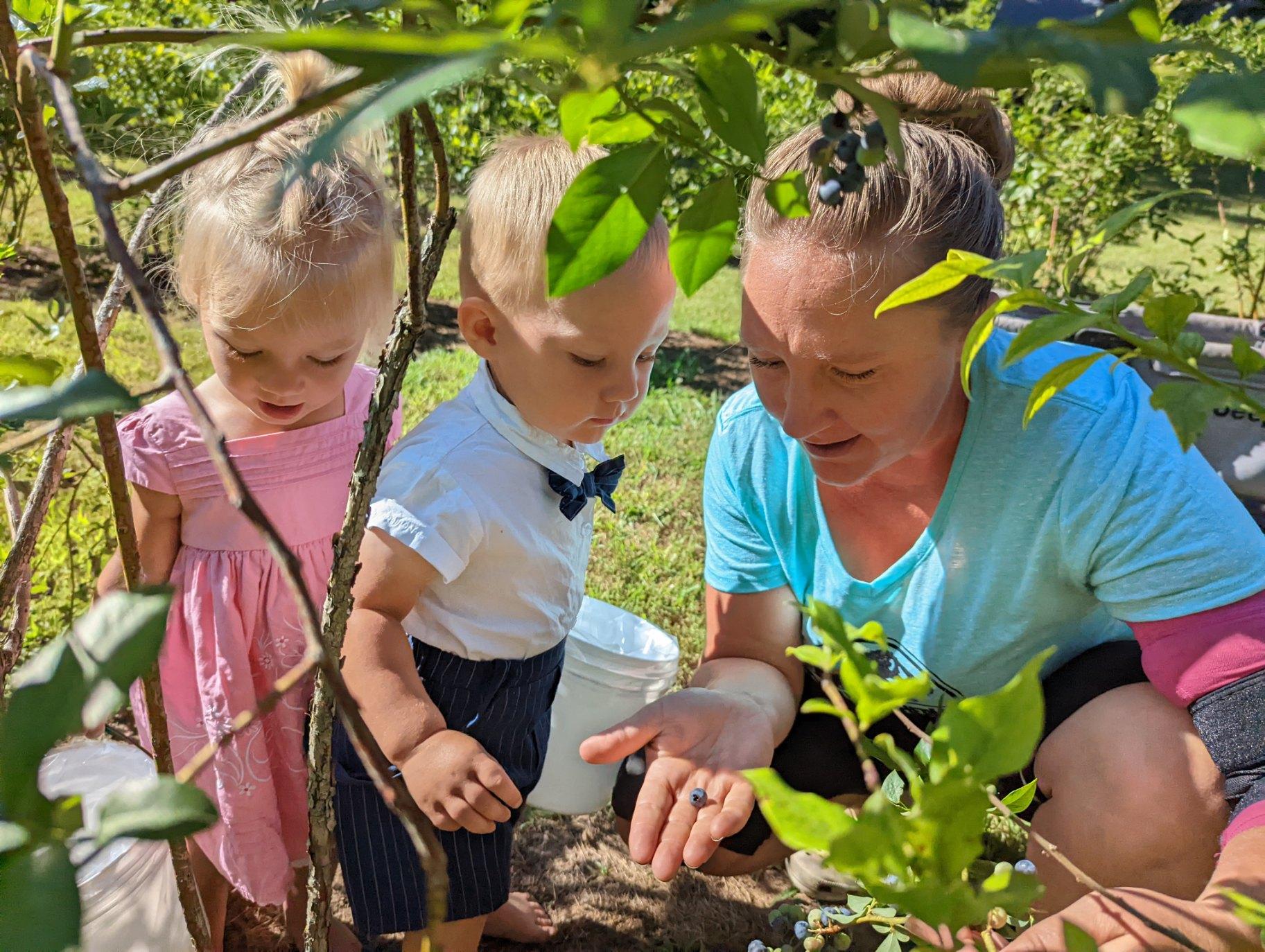
Picking blueberries which we took home and made into blueberry butter and canned.
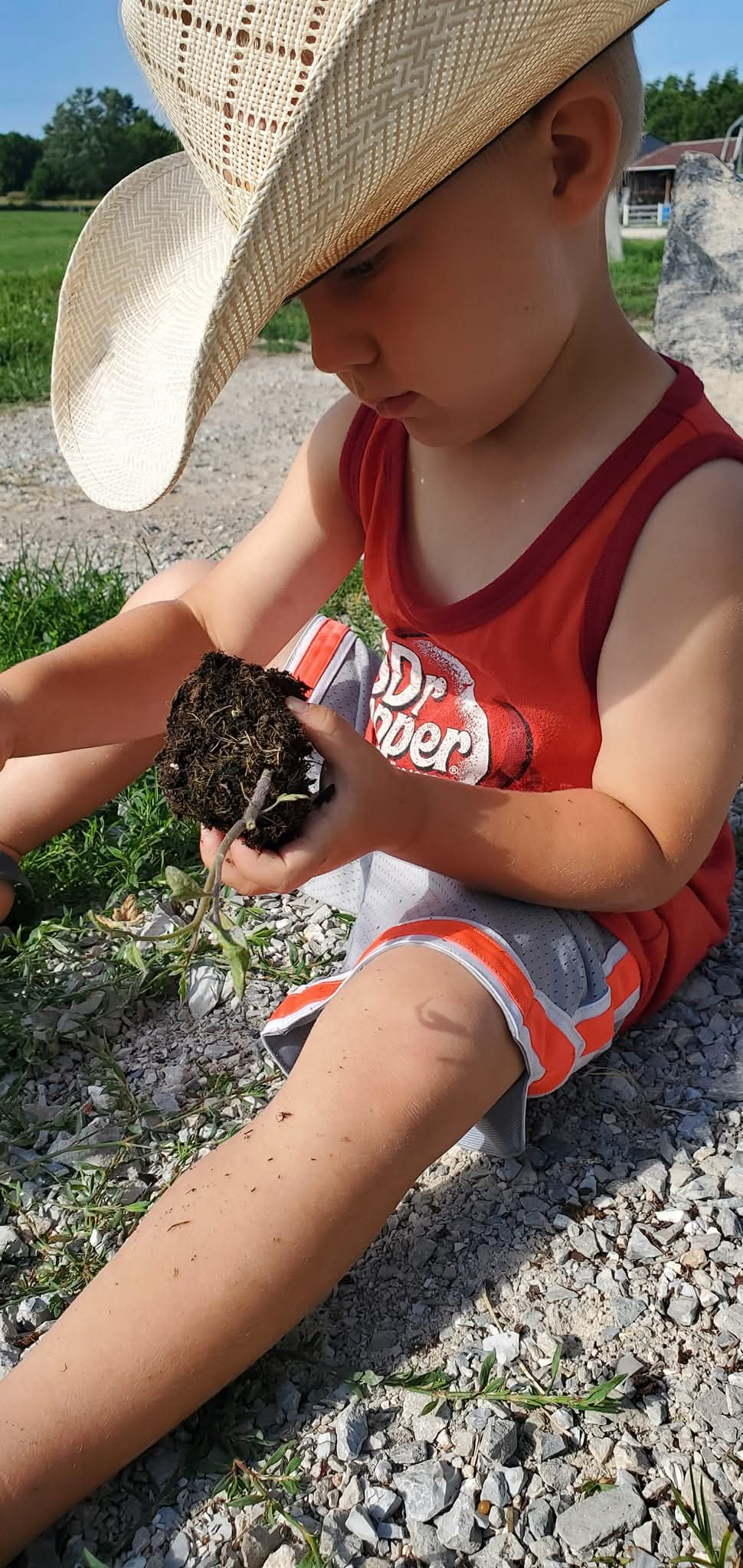
Transplanting tomato starts into bigger pots.

 Radiant Roots
Leave a comment and let me know what you think!