“Every field is a pharmacy if you only have the eyes to see it.”
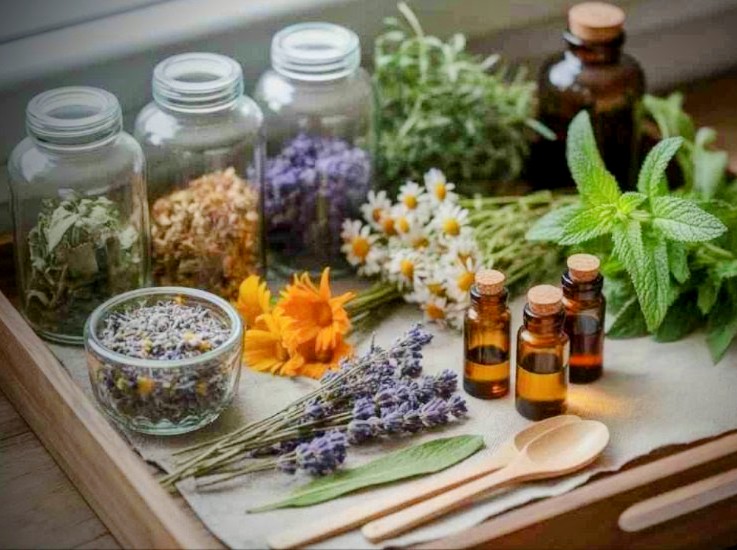
There is a profound shift that happens when you stop looking at the “weeds” in your local park or the plants along your favorite hiking trail as mere brush and start seeing them as medicine. This time of year, foraging opportunities are pretty lean, but this is the perfect time to plan ahead. Come along with me as I map out my plan to create a truly personal home apothecary, provided by God and tailored specifically for my family.
My Personal Harvest List: Matching Wild Herbs to My Needs
When planning a home apothecary, it’s best to start with the symptoms or issues you actually experience. For now, I am focusing on general health, first aid and pain/inflammation relief from plants that I already know grow on my property. Here is my starter list of plants and herbs to collect and preserve for 2026:
Wild Lettuce: pain relief
Dandelion: detoxification and pain relief
Burdock root: detoxification
Willow bark: pain/inflammation relief
Yarrow: extracts and tinctures for digestion and menstrual issues
Self-Heal: anti-viral/anti-inflammatory
St. John’s Wort: anti-viral and anti-inflammatory
Plantain: anti-inflammatory/anti-microbial/healing
The Forager’s Code: Gathering Ethically and Safely
Collecting medicine from the wild is a privilege that comes with a responsibility to the land. To ensure these plants return year after year, we need to follow ethical foraging rules:
- The 10% Rule: Never take more than 10% of a healthy stand of plants. If there are only a few, leave them entirely so they can go to seed and multiply.
- Positive ID: Use at least two field guides to confirm an identification. If there is even 1% of doubt, don’t harvest. Many medicinal plants have toxic look-a-likes.
- Location Matters: Avoid harvesting within 50 feet of busy roads (exhaust pollution) or in areas that might have been sprayed with pesticides or herbicides.
- Ask Permission: Whether it’s private land or a public park, always ensure you have the right to harvest there.
Timing the Harvest: Planning My Harvest
It is important to harvest at the appropriate time to ensure maximum potency so plan your harvesting accordingly throughout the growing season.
- Leaves and Flowers: Leaves are usually harvested right before a plant blooms, and flowers are best harvested the day they open. Collect them on dry mornings after the dew has evaporated.
- Roots: Harvest roots in the plant’s dormant season, usually in the fall after the leaves have died back. Carefully dig around the root to avoid damaging it.
- Bark: Harvest bark in the spring when sap is rising or in the fall when the plant is preparing to go dormant.
From the Field to the Jar: My Preservation Plan
Once I’ve gathered my herbs, the real work will begin. To preserve the medicinal properties, I will focus on low and slow drying:
- Cleaning: Shake off any bugs or dirt. Wash in cold running water and pat dry, as excess moisture can lead to mold during drying.
- Hanging Bunches: For herbs with long stems, I will tie them in small bundles and hang them upside down in a dark, dry place.
- The Dehydrator: For delicate flowers or juicy leaves, I will use a dehydrator set to the lowest possible temperature (usually around 95°F) to keep the plant’s properties intact.
- Storage: Once they snap when bent, they will go into glass jars, stored in a cupboard away from any light.
Closing Thoughts
Planning this list feels like reclaiming a lost skill. When in need, I’ll be reaching for a glass jar filled with God’s medicine grown in the sunlight and soil of my own neighborhood. As I harvest, preserve, and make medicine, I will be sharing my processes with you.
What are your plans for 2026? What do you keep (or plan to keep) in your home apothecary? Tell me in the comments!

 Radiant Roots
Leave a comment and let me know what you think!