“Hobbits have a passion for mushrooms, surpassing even the greediest likings of Big People.”
The Fellowship of the Ring, Tolkien
**Before proceeding with this article, please note that these articles in my foraging for food and medicine series are very in depth and therefore can get a bit lengthy. I utilize a type of expanding detail feature for some things (particularly all the recipes) to help organize the post and make navigation easier. This feature does not work when reading directly from your inbox so if you want a more user-friendly read, please check at the top of your email and you should see an option to read directly on my blog where the features all work as they should. Thank you and enjoy!
If there is one thing that can get a forager (or a Hobbit) to drop everything and head for the woods, it’s the whisper that the Morels (Morchella) are up. While we’ve spent time talking about the “weeds” in our pasture like chickweed and dandelions, morels are a different sort of treasure. They don’t just grow anywhere; they demand a bit of a treasure hunt, making them the ultimate crown jewel of spring foraging.
For those just beginning their foraging forays, morels are the perfect bridge between wild nature and gourmet living. They are packed with earthy flavor, have versatile uses and provide a wonderful excuse to get the kids out into the timber for a lesson in observation.
Identification & Habitat
Unlike the bright yellow of a dandelion or the striking purple fields of dead nettle, morels are masters of disguise. Their honeycomb-like caps blend in perfectly with dried leaves and dappled sunlight.
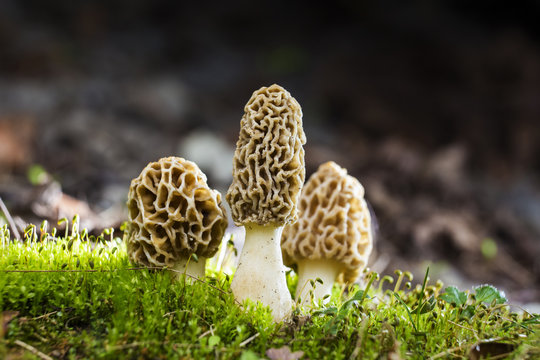
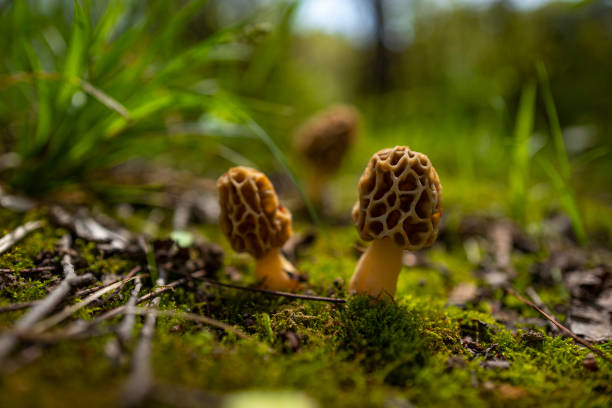
- The Look: Look for a distinct, pitted cap that can resemble crumpled leaves or pitted rocks. They can range in color from honey gold to light tan to grey to dark brown or even almost black. The cap should be directly attached to the stem, not hanging loose like a skirt.
- The Hollow Test: This is the most important rule: True morels are hollow from the tip of the cap to the bottom of the stem. If you slice it open and find cottony fibers or a solid interior, leave it be—that’s a “false” morel.
- Where to Look: They love the company of specific trees. Check around the base of dead or dying elms, oak, ash, poplar, sycamores, and old apple orchards. Look on south-facing slopes early in the season and on north-facing slopes later in the season.
- When to Look: Since they thrive in moisture and warmth, the best time to look is after a warm spring rain when the ground temperature hits that sweet spot around 50-55°F. In our area, this is usually around April/May.
*Pro-Tip: Mayapples are an indicative species that are much more visible than morels. When and where the Mayapples show up, the conditions are right to start looking for those elusive mushrooms!
I have included a few links in this post. I may receive a small commission if you make a purchase through them, at no extra cost to you. I will never recommend something unless I have first hand knowledge of it and genuinely believe it to be valuable.
Harvest with Care (And Caution)
Cut or break the stem at the ground to harvest your mushrooms. If you use a mesh bag or a basket to collect your prizes, it allows the spores to drop back onto the forest floor as you walk, hopefully ensuring a harvest for next year.
While morels are the prize, the price of admission in the Ozarks can be steep if you aren’t careful. I know from experience that a single tick bite can be life-altering. Unfortunately, the peak of morel season perfectly overlaps with the awakening of terrible, horrible, no good, very bad ticks. In Missouri, we have to be hyper-vigilant about Alpha-gal Syndrome (AGS) and other tick-borne illnesses like Lyme or Rocky Mountain Spotted Fever.
When you’re staring at the ground looking for that honeycomb pattern, you’re often standing right in the questing zone for ticks. In order to go treasure hunting safely, there are precautions that can be taken:
1. Dress for Defense
- Tuck your pants into your socks and your shirt into your pants. It creates a physical barrier that forces ticks to stay on the outside of your clothes.
- Wear light-colored clothing. It makes it much easier to spot a tiny dark speck crawling up your leg before it finds skin.
2. Chemical & Natural Barriers
- Chemical: For serious woods-walking, treating your boots and foraging clothes with Permethrin is the gold standard. It doesn’t just repel; it kills ticks on contact and stays effective through several washes. Sawyer Premium Permethrin is a good option to treat your clothing for long-term protection (this is not for skin application!).
*Pro-Tip: You can also use this spray on dryer lint and stuff toilet paper rolls with it – then tuck them around your house, garage, etc, for any resident mice to use in their nests which presumably kills any ticks they are fostering in and around your home. Just be careful if you have cats as permethrin is not safe for cats while it is wet! - Natural: For a more natural approach for skin application, oil of lemon eucalyptus or high-concentration essential oil sprays (like cedarwood or rose geranium) can help, but they require much more frequent reapplication than synthetic repellents. If you prefer to purchase, rather than make, take a look at options like Cedarcide that can be used on you, your kids, and even your pets, including cats!
3. The Post-Hunt Protocol
- Keep a lint roller handy! Rolling over your clothes as soon as you get out of the woods can snag crawlers before they can make it too far.
- As soon as you get home, throw your clothes straight into a hot dryer for 10-20 minutes (the dry heat kills them; a wash cycle often doesn’t). Then, do a thorough tick check. Don’t forget to check hiding places like in and behind the ears, the belly button, and between the toes!
A Note on AGS: For those managing Alpha-gal, the stakes are even higher. A new tick bite can cause a flare or reactivate sensitivity. Protect your health as fiercely as you protect your secret morel spots!
In the Kitchen: Simple & Savory
Morels are highly prized for their nutty, meaty flavor. Because they are a wild fungus, never eat them raw—they must be cooked to be safe and digestible.
- The Clean: Shake out any forest residents (ants love morels as much as we do!) and give them a quick swish in cool salt water if they are particularly buggy. Pat them dry immediately.
- The Classic Sauté: The very best chefs in the world often fix them in a way that is also the simplest. Sauté them in plenty of butter with a pinch of sea salt and cracked black pepper. If you’re feeling fancy, a splash of heavy cream and a sprig of wild onion (ramps) creates a sauce that is heavenly over crusty sourdough or a steak.
- Other Ideas: make a wild foods pizza with morels or pasta dishes like orzo or gnocchi topped with a buttery morel sauce (see recipe below).
- Preservation: If you’re lucky enough to find a mother lode, morels dry beautifully. Some even claim that dried morels have better flavor than fresh! String them up to air dry, or use a dehydrator until they are cracker-dry. They’ll wait patiently in your pantry for a winter stew, or the dried mushroom pasta recipe below!
Fried Morel Mushrooms
*Recipe from Wet, Wild, and Woodsy
1 lb morel mushrooms, cut in half lengthwise
1 cup all-purpose flour
1 cup vegetable oil
salt
In large bowl, cover halved mushrooms with cold water; add salt. Refrigerate 10 minutes, or until you’re ready to cook them. Pour off salted water and rinse. Put flour in a shallow bowl. Roll mushrooms in flour, then place on waxed paper until all mushrooms are floured. Let stand 5 minutes allowing mushrooms to become slightly sticky. Fry in skillet over high heat; turn often. Fry 4-5 minutes, or until golden brown. Drain on paper towels.
Cheesy Stuffed Mushrooms
*Recipe from Wet, Wild, and Woodsy
1 lb med.-sized morel mushrooms
1/2 cup chopped onion
1/4 tsp black pepper
1 tsp vegetable oil
1 cup choice cheddar cheese
Parsley, to taste
Remove stems from mushrooms; chop enough mushroom stems to make 1/2 cup. Saute stems with onions in oil until tender. Combine cheese, parsley, pepper, and mushroom stem mixture in food processor. Process mixture until finely chopped and blended. Fill each mushroom cap with a heaping spoonful of mixture. Bake at 350 for 15 minutes.
Dried Mushroom Pasta
If you did find the mother lode of morels and dehydrated some for later use, Best Served Wild has you covered in one delicious way to use them!
2 servings of dried pasta of your choice
1/2 ounce dried mushrooms
Olive oil
Optional additions: cheese, nut/seed Parm, garlic, red pepper flakes, dried basil, etc.
Measure out the appropriate amount of water for your pasta and place in a pot with the mushrooms. Place on the stove and bring to a boil. Let the water boil for a couple of minutes before adding the pasta (this will give the mushrooms a little extra time to rehydrate). Add the pasta and cook until tender. When the pasta has finished cooking, pour off the water into a bottle or cup to save (this starchy, mushroomy pasta water is a delicious broth, and a treat on a cold evening). Drizzle a little olive oil over the pasta and whatever other ingredients you want to add. Stir together to fully coat the pasta. Spoon into bowls and serve.
Pea Shoot-Spinach Salad with Bacon and Morels
*This recipe is from Cooking Wild in Missouri
3/4 pound fresh morel mushrooms
4-ounce piece of smoky, meaty bacon
3.5 tablespoons extra-virgin olive oil
1 teaspoon coarse salt
1.5 tablespoons fresh lemon juice
1/2 tablespoon red-wine vinegar
1/2 tablespoon coarse-grain mustard
1/2 teaspoon freshly ground black pepper
4 ounces (4 cups) fresh pea shoots
4 ounces (4 cups) baby spinach leaves
1 handful fresh chives, cut into 1-inch lengths
8-12 pieces of shaved Parmigiano-Reggiano cheese
Cut mushrooms into bite-sized pieces. Cut bacon into 3/4 inch thick matchsticks and cook in a heavy skillet over medium-low heat. Stir until crisp, but still chewy, 6-8 minutes. Drain on paper towels. Pour off fat from skillet and add 1.5 tablespoons olive oil, mushrooms, and 1/2 teaspoon salt. Cook over medium heat, stirring occasionally, until mushrooms are golden, 7 or 8 minutes; then cool.
In large salad bowl, whisk together lemon juice, vinegar, mustard, pepper, and remaining 1/2 teaspoon salt and 2 tablespoons olive oil until well blended.
Add pea shoots and spinach to dressing; toss to coat. Add bacon, mushrooms and chives, and toss again. Garnish with cheese shavings.
Mushroom Lover’s Creamed Morels
*This recipe is from Cooking Wild in Missouri
2 cups fresh or 1 handful dried morels
2 tablespoons unsalted butter
2 shallots, finely chopped
1 pint cream (or half-and-half; however, the cream makes it absolutely superb!)
Salt and freshly ground black pepper
2-3 tablespoons Marsala (wine)
Good rustic bread
If using fresh morels, cut each one in half lengthwise. If using dried morels, reconstitute in water (saving the water after draining). Melt the butter in a large saucepan or skillet. Add shallots and saute for a few minutes. Add the morels, stir and saute for a few minutes more. If you have used dried morels, add the morel liquid, being careful not to pour in any sediment that may have slipped through the strainer. Cook morels until most of the liquid in the pan has evaporated. Add cream and cook for a few minutes. Add salt and pepper to taste, then Marsala to taste. Serve in shallow bowls and accompany with bread.
Morel Paté
*Recipe from Wild Foraged
2 TB olive oil
1 lb morel mushrooms
1 cup of wild garlic or onions
1/4 tsp salt
1/4 tsp freshly ground black pepper
1-2 TB wild oregano or herb of your choice
8 ounces ricotta
In a large skillet, add your oil and heat until it starts to bubble. Add in your mushrooms and cook until they release juices and start to brown. Add the onions and saute until they begin to soften, 3-4 minutes. Add the oregano, salt, and pepper. Stir and cook for 2 minutes. Set aside for about 10 minutes to allow to cool.
Add the mushroom mix to a food processor along with the ricotta and blend until smooth. Taste for seasoning. Add in more herbs if you’d like at this point. Transfer to a mason jar or container with a lid and refrigerate for 30 minutes until set. You can dip bread, celery, or even sliced cucumbers in this dip!
The Best Morel Cream Sauce
*Recipe from Wild Foraged
3 TB unsalted butter
4 TB wild onion or garlic tops, diced
2 cups fresh or 1 cup dried morels
3 cups heavy cream
3 TB honeysuckle brandy or Marsala
salt and pepper, to taste
Melt butter in a large skillet over medium heat, add onions, and saute until fragrant. If using fresh morels, add them as soon as the onions start to dry up in the skillet. Allow the morels to cook until they release their juices and then start to dry themselves. If you are starting with dried morels, soak them in boiling water first to soften. Save the liquid for breads, broths, or other recipes. Once softened, add morels (sliced, not pieces) to skillet with shallots. Once morels are cooked with the shallots, you can add your cream. Cook for about 5-7 minutes until bubbling. Add optional brandy, salt, or pepper to taste.
There are even more delicious recipes for morels in Rachel West’s book Wild Foraged, such as Morel Spätzle and Sawyer Sauce. Her book is fantastic – highly recommend it!
Morels in the Apothecary
While we primarily hunt morels for that unparalleled buttery flavor, they actually have a long-standing reputation in traditional medicine—especially in Eastern practices—for their tonifying properties.
Here is a breakdown of the medicinal side of this elusive mushroom:
1. The Vitamin D Powerhouse
Morels are one of the few vegan-friendly, whole-food sources of Vitamin D.
- Because they grow in the wild and are exposed to sunlight, they contain high levels of Vitamin D2. This is crucial for bone health and calcium absorption.
- If you dry your morels in the sun, it can actually increase their Vitamin D content even after they’ve been harvested!
2. Immune Support
Like many of our favorite medicinal mushrooms (think Reishi or Chaga), morels contain polysaccharides—specifically one called galactomannan.
- Immune Modulator: These compounds help stimulate macrophage activity (the clean-up crew cells of your immune system), helping your body respond more effectively to pathogens without overreacting.
3. Antioxidant & Liver Protection
Morels are rich in antioxidants that fight oxidative stress.
- Studies have shown that morel extracts can help neutralize free radicals that lead to chronic inflammation.
- In some preliminary studies, morel mycelium has shown a remarkable ability to protect the liver from toxins, essentially helping to restore the body’s internal antioxidant reserves.
4. Digestive & Gut Health
In Traditional Chinese Medicine, morels have been used for centuries to regulate the stomach and support digestion.
- Morels are high in fiber and compounds that act as prebiotics, feeding the beneficial bacteria in your gut. A happy gut usually leads to a happy immune system!
While the medicinal benefits are exciting, remember that the most important medicine morels provide is the time spent outdoors. The movement, the fresh air, and the focus required to spot them are just as healing for the soul as they are for the body.
Note: Just like in the kitchen, never use morels medicinally in their raw state. The toxins that can cause stomach upset are only neutralized by heat. Always cook them thoroughly or use a dual-extraction method (heat and alcohol) if you’re making a tincture.
So morels can be used medicinally, but how?
1. The Daily Tonic Broth
This is most traditional way to use morels medicinally. By simmering them for an extended period, you break down the tough cell walls and release the minerals and gut-healing properties.
- How to do it: Simmer dried or fresh morels in water or a light vegetable stock for at least 30–45 minutes.
- The Benefit: This extracts the water-soluble polysaccharides. It’s an excellent, gentle immune system toner.
2. Dual-Extraction Tincture
If you want a concentrated version that lasts all year, a dual-extraction is the gold standard for mushrooms. Some compounds are water-soluble, while others (like certain antioxidants) require alcohol.
- Step 1 (Alcohol): Soak chopped, dried morels in high-proof alcohol (like vodka) for 4–6 weeks. Strain and keep the liquid.
- Step 2 (Water): Take the spent mushrooms and simmer them in water for several hours until the liquid is reduced by half.
- Step 3: Combine the two liquids.
- The Benefit: This provides a shelf-stable extract that targets liver protection and inflammation.
3. Sun-Drenched Powder
This is the best way to utilize the Vitamin D aspect.
- How to do it: Slice your morels and lay them on a tray with the honeycomb pits facing the sun for a few hours before drying them completely in a dehydrator.
- The Benefit: Mushrooms synthesize Vitamin D when exposed to UV light. Once cracker-dry, grind them into a powder. You can add a spoonful to soups or even your morning eggs as a whole-food Vitamin D supplement during the dark winter months.
Mushroom Hunting with Kids
Foraging with kids is less about the harvest haul and more about the wonder. Since morels are low to the ground, kids are actually often better at spotting them than we are!
A Note of Caution
When foraging with the little ones, it’s a great time to practice “look but don’t touch” until an adult confirms the find. Always be 100% certain of your identification before anything hits the frying pan. If you’re in doubt, consult a local mycological guide or a seasoned foraging neighbor!
Fun Activities for the Kiddos
- The Spotter Game: Make it a competition of who can spot the most morels! Making it a fun and friendly competition will motivate most kids to get busy looking!
- The Spore Print Lesson: If you find a more mature morel, take it home for a science lesson. Slice the cap and lay it on a dark piece of paper overnight. In the morning, you’ll see the “fingerprint” of the mushroom left behind by its spores.
- Nature Journaling: Have them draw their favorite find. What color was it? Was it hiding under a big leaf or blending in with some rocks? It’s a great way to practice those fine motor skills through art.
Want to have more fungi fun and learning? Funky Fungi is full of interesting information and 30 activities for exploring molds, mushrooms, lichens, and more!
Faith on the Forest Floor
There is something deeply spiritual about mushroom hunting. It requires a quiet mind and a disciplined eye—qualities we’re often told to cultivate in our walk with Christ.
- The Art of Seeking: Morels don’t shout; they whisper. “You will seek me and find me when you seek me with all your heart” (Jeremiah 29:13). Just as we have to train our eyes to see a morel hidden in the leaf litter, we often have to quiet the noise of our busy lives to see where God is moving in the hidden places of our day.
- Growth in the Dark: Mushrooms grow from the decay of the old—dying elms and fallen logs. It’s a beautiful picture of redemption. God takes the dead things in our lives—the hard seasons, the failures, the compost—and uses them to grow something life-giving and highly prized.
- The Gift of Timing: You can’t force a morel to grow. It requires the right rain, the right warmth, and the right time. It’s a lesson in patience and Providence. We do the walking, but He provides the harvest.
- Provision in the Wilderness: There is a profound spiritual lesson in the morel. Like the Manna in the desert, they are a gift we did not plant and cannot cultivate. They remind us that the Creator provides for us in the wild places of our lives—often hidden right under our feet, waiting for us to have the eyes to see.
I have, unfortunately, come up empty on morels the last few years. However, this quote from The Hobbit is applicable:
“There is nothing like looking, if you want to find something. You certainly usually find something, if you look, but it is not always quite the something you were after.”
I have spent lovely hours exploring some beautiful country, both in the peaceful quiet of a solo walk and in the cheerful presence of friends. While we may not have found what we set out to find, we found other treasures among the trees.
Happy hunting, and may your baskets be heavy and your boots be muddy!

 Radiant Roots
Leave a comment and let me know what you think!