“Still, everywhere flowers are blooming in the sun. Bees in the bee balm buzz and hum… these flowers will be here when we’re gone.”
~Rachel Hadas, “Zoom and Zoom”
**Before proceeding with this article, please note that these articles in my foraging for food and medicine series are very in depth and therefore can get a bit lengthy. I utilize a type of expanding detail feature for some things (particularly all the recipes) to help organize the post and make navigation easier. This feature does not work when reading directly from your inbox so if you want a more user-friendly read, please check at the top of your email and you should see an option to read directly on my blog where the features all work as they should. Thank you and enjoy!
If you’ve walked through a sun-drenched summer prairie or along the edges of a quiet woodland recently, you might have caught a whiff of something deeply aromatic—a sweet, spicy scent carrying notes of oregano, mint, and citrus. It frequently splashes lovely patches of soft lavender color along roadsides. Meet Wild Bergamot (Monarda fistulosa), also frequently called bee balm, Oswego tea, Indian nettle, or horsemint.
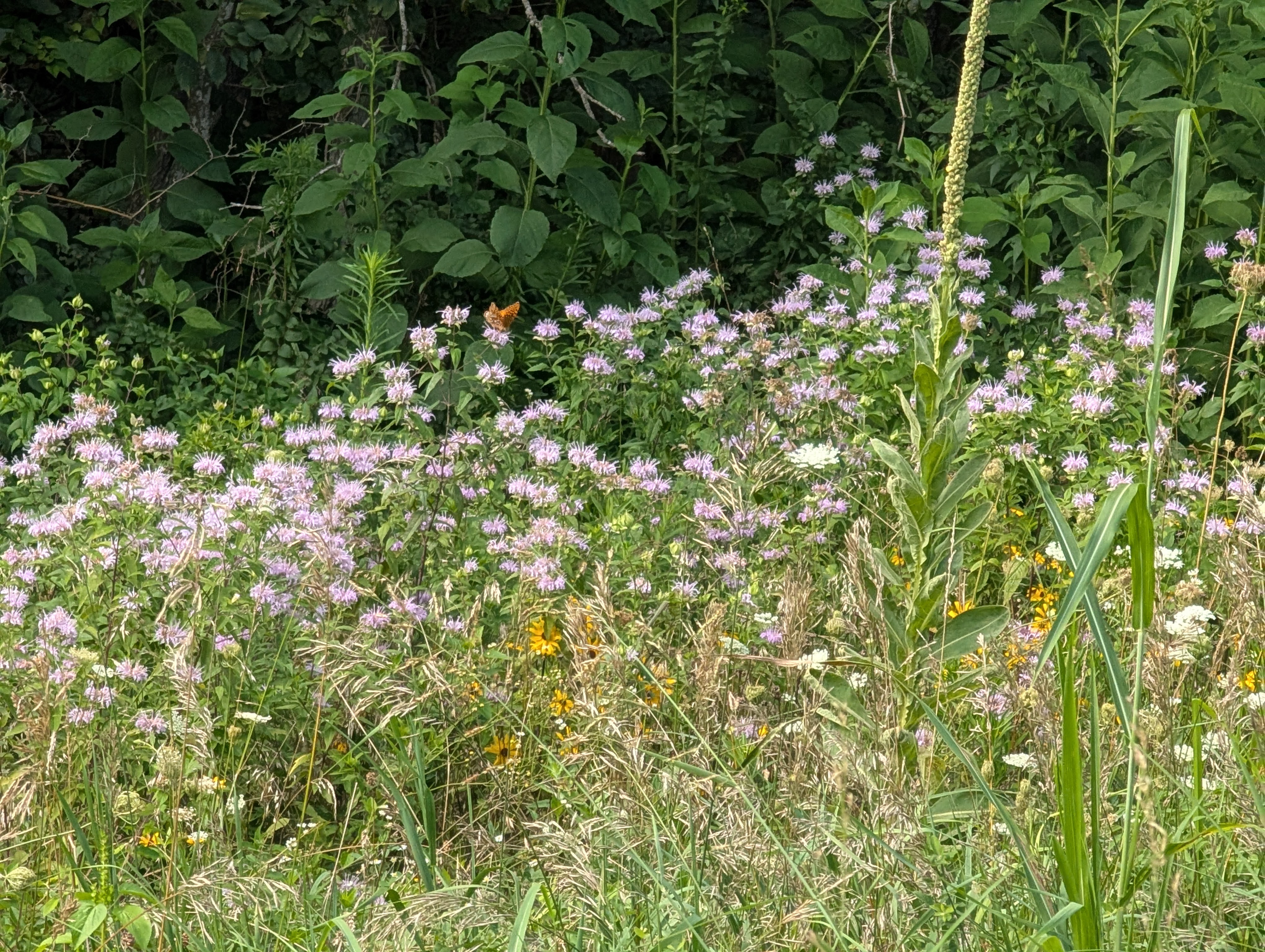
This beautiful native wildflower is one of my favorites! Let’s dive into how to find it, use it, and reflect upon what it can teach us.
Identifying, Harvesting, and Preserving
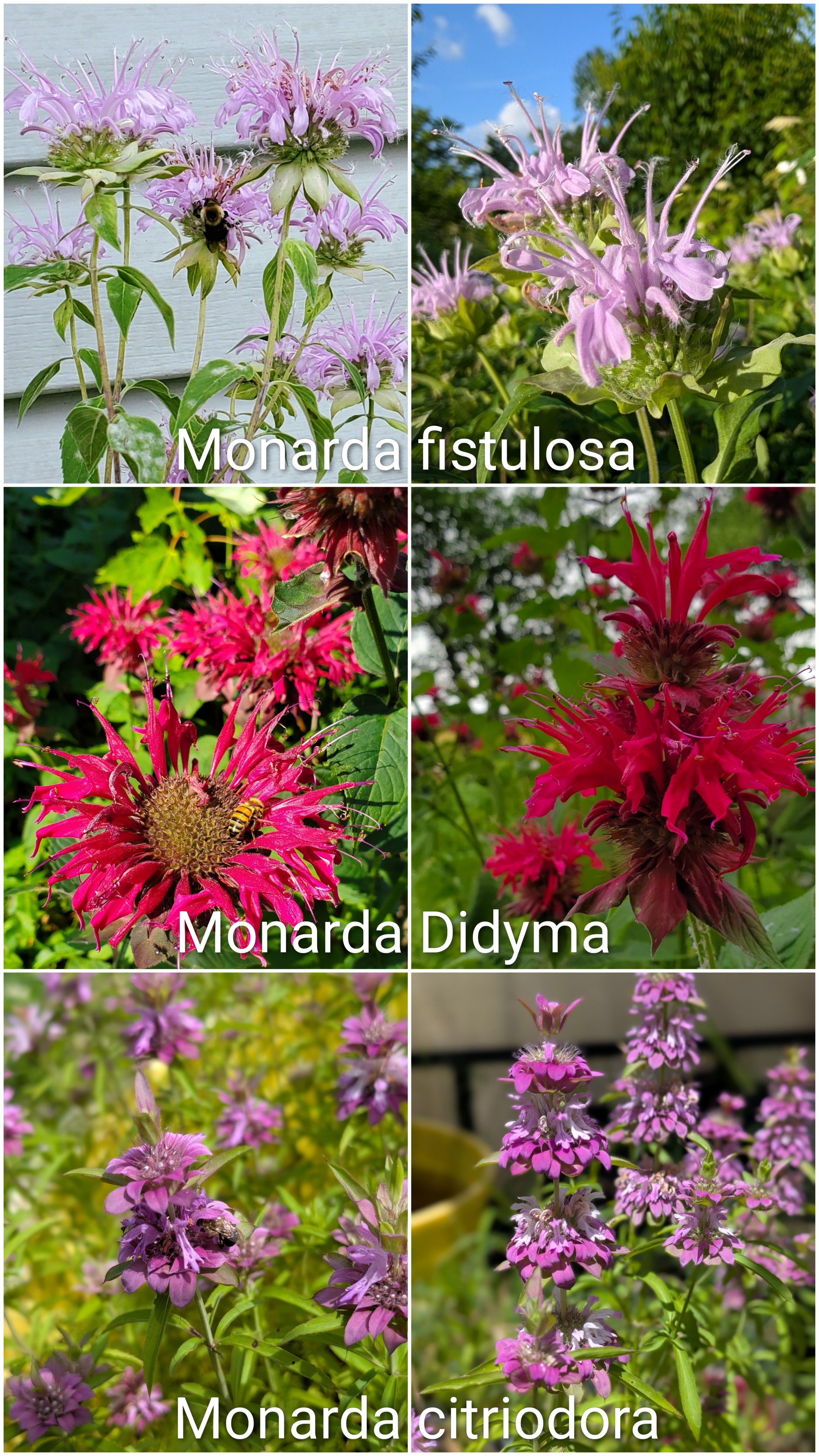
Monarda is a very aromatic member of the mint family (Lamiaceae), which gives us some incredibly easy clues for foolproof identification. The two most common varieties are Monarda fistulosa (soft lavender blooms and most commonly found in the wild) and Monarda didyma (bright scarlet blooms and often found in yards and gardens). The annual, Monarda citriodora (vibrant purple blooms and typically found in and around gardens), is a bit less common but is my personal favorite! It has a distinct lemon flavor and aroma and is very well suited to sweet culinary applications. All monarda varieties can be used for food and medicine.
Identification Checklist
- The Stem: Like all mints, the stem is distinctly square. If you roll it between your fingers, you will feel four flat sides and sharp corners.
- The Leaves: Lance-shaped (citriodora, fistulosa) to broadly ovate (didyma), opposite each other along the stem, with slightly toothed edges. They give off a strong, savory, herbal aroma when bruised.
- The Flowers: Blooming from mid-to-late summer, the flower heads look like ragged crowns. Each head is made up of dozens of tiny, tubular flowers eagerly loved by pollinators such as hummingbirds, hummingbird moths, butterflies, and many native bee species.
Did You Know?
Monarda has been used by Indigenous North Americans as a culinary and medicinal herb for hundreds of years. It gets the name Oswego tea because of its use by the Oswego tribe.
How to Harvest
When gathering Monarda, timing is everything. For the most potent leaves, harvest just before the flowers open. Once in bloom, both the leaves and the blossoms are fair game.
Using clean shears, snip the top third of the plant just above a node (where leaves branch out). This allows the plant to keep growing and pushing out new shoots. As always, practice honorable harvesting: never take more than 10-15% of a wild patch, ensuring plenty is left for the bees, butterflies, and future generations.
Note: Monarda tends to get powdery mildew in high humidity so be careful to only harvest from mildew-free plants.
Preserving the Bounty
- Air Drying: Tie the stems into small bundles with twine and hang them upside down in a warm, dry area out of direct sunlight for 1–2 weeks. Once crisp, strip the leaves and flowers into airtight glass jars.
- Dehydrator: Lay the cuttings out whole on your dehydrator trays in a single layer. Make sure nothing is overlapping—good airflow is the secret to a fast, mold-free dry. Set your dehydrator to 95 – 115°F or if your machine has a specific Herbs setting, use that. It will take 4-8 hours to dry depending on conditions. Once completely dry and crumbly, you can strip the leaves and flowers off into airtight glass jars.
- Freezing: Chop fresh leaves and place them into ice cube trays, cover with water or olive oil, and freeze. Pop them out into a freezer bag to use in winter cooking.
Culinary Uses
Monarda’s flavor profile is intensely savory, tasting like a bold, spicy cross between oregano, thyme, and citrus. As a culinary spice, it can be included in recipes calling for Italian seasoning combinations, such as pizzas, pasta sauces, and chili. The flowers make a lovely garnish in salads and the dried leaves can be used like sage to flavor meats.
Because it contains high amounts of thymol (the active flavor compound in thyme), a little goes a long way.
- Wild Oregano Substitute: Use the dried, crushed leaves exactly as you would use oregano, thyme or marjoram. It elevates homemade pizza sauces, roasted root vegetables, and grilled meats beautifully, especially chicken and fish.
- Monarda Marinade: Make a tasty marinade using dried monarda, fresh lemon juice, minced garlic, and olive oil. Add dill for an even more herbal flavor. This marinade is especially good on shrimp or scallops but can be used for salmon, white fish, or even chicken.
- Monarda Honey Butter: Whip finely chopped fresh blossoms and leaves into softened pasture-raised butter along with a drizzle of raw honey. It is spectacular melted over warm cornbread.
- Sun Tea: Steep a handful of fresh leaves and flowers in a jar of water under the summer sun for a few hours. Strain, sweeten with honey, and serve over ice for a deeply refreshing, antimicrobial summer drink. Can be added to black tea, chicory/dandelion root tea, or New Jersey tea to make a mock Earl Grey.
- Infused Vinegar: Add fresh flowers to white wine vinegar and infuse for 1-6 months. Infused vinegars are great for cucumber salad, pasta salad, salad dressing, and more.
- Infused Olive Oil: Delicious as a dipping oil for bread and as a base for salad dressings.
- Infused Honey: Served on toast or with fresh goat cheeses and bries. Can also flavor meringues, cake icings, tea cakes, and other baked goods.
Culinary Recipes
Monarda Lemonade
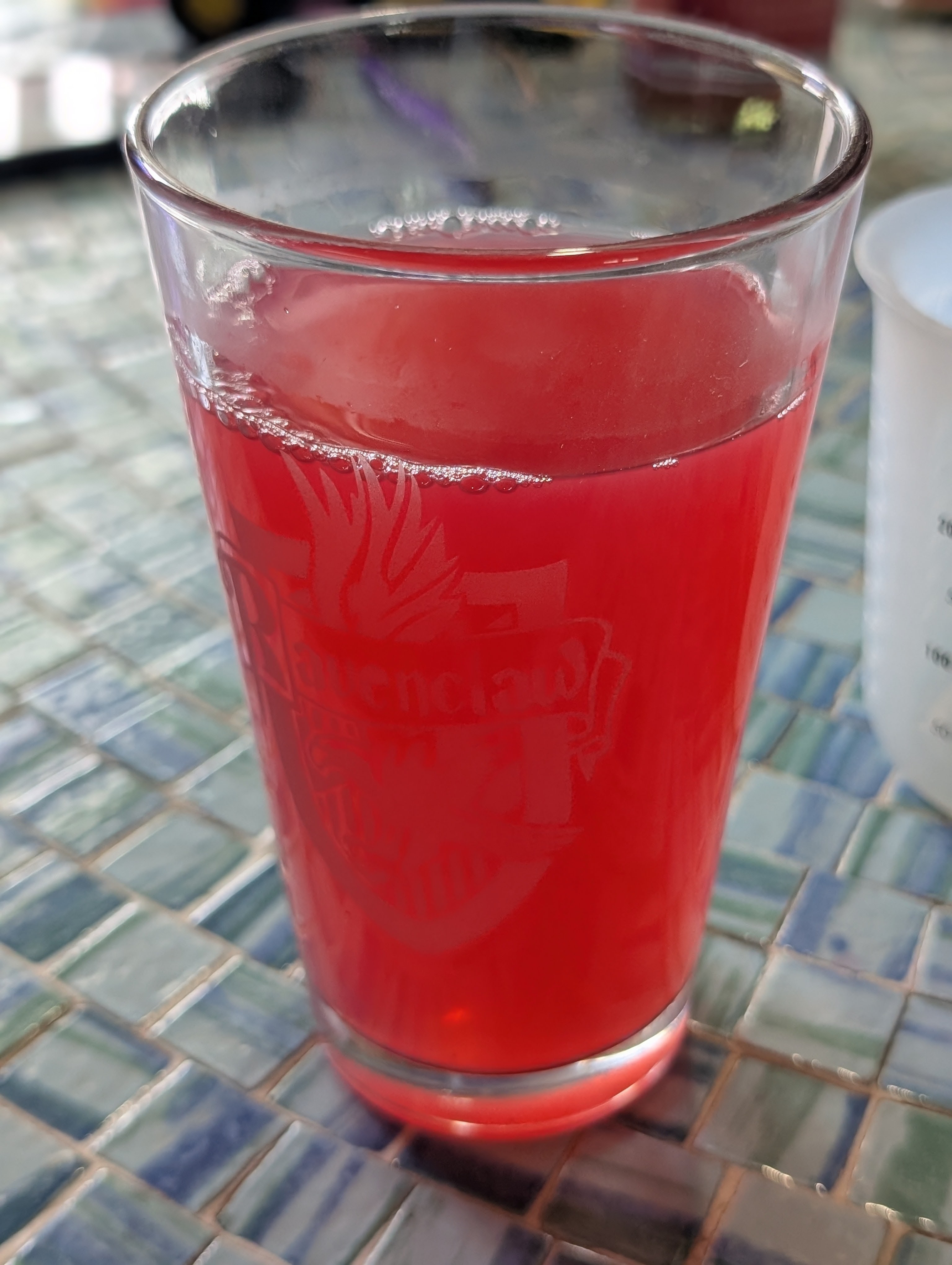
Steep 1/2 cup of fresh monarda petals in 1.5 cups of boiling water for 10-15 minutes, then strain. Stir about 3-4 tablespoons of raw honey into the tea until dissolved. Once cooled enough to handle, pour in 1/4 cup of fresh lemon juice and stir. Drink warm or cold – it’s delicious either way!
Monarda Infused Sea Salt
*Recipe from Rachel West’s Wild Foraged
Great for pasta or on garlic toast
1/3 cup sea salt
1/4 cup monarda leaves and flowers
In a food processor, combine salt and Monarda until you’re satisfied with the results.
Onion, Monarda and Date Jam
*Recipe from Rachel West’s Wild Foraged
Makes about two cups. This rich, flavorful jam can be spread on toast, used as a rub for meat, or anything else you can dream up!
3 cups thinly slice onion or garlic bulbs
1 tsp sea salt
2 tablespoons olive oil
8 large monarda leaves wrapped tightly
3 tablespoons honey
3 tablespoons apple cider vinegar or juniper vinegar
3/4 cup chopped pitted dates (Rachel recommends soaking the dates in 2-3 tablespoons of honeysuckle brandy overnight so they are nice and plump.)
In a saucepan over medium heat, sprinkle salt over onions and sauté until soft, about 5-7 minutes. Add in remaining ingredients and reduce heat to low. Cook until mixture is thick, constantly stirring.
If it becomes too thick, you can add a splash of water, brandy, or sherry to it for better texture or flavor addition. If you decide on the latter, be sure to cook it 5 minutes longer to cook off the alcohol.
Remove monarda leaf bundle. Store in mason jars in the refrigerator for up to a month.
Monarda Oxymel
A monarda oxymel is the ultimate wild salad vinaigrette when whisked with some olive oil and drizzled over fresh greens. It can also be used as a glaze for roasted meats and root vegetables, a quick-pickling liquid, or the base for a refreshing wild soda or shrub.
2 parts monarda, fresh or dried
1 part raw apple cider vinegar
1 part raw honey
Add monarda to glass jar. Combine the vinegar and honey and pour over the monarda until it is completely covered. Shake well, making sure everything is covered. Top with more honey and vinegar if necessary (keeping the same ratio). Allow to infuse for at least 6 weeks.
Monarda Cake Icing Recipe
*Recipe from The Forager’s Guide to Wild Foods
1/4 cup fresh monarda leaves
5 teaspoons butter
1/2 cup of icing sugar
Blend the leaves until a paste has formed. Melt the butter, add the icing sugar and monarda paste. Mix well and then it’s ready to go on cakes or muffins.
Chimichurri
*Recipe from Herbs in Every Season
This classic Argentinian condiment is typically served alongside grilled steaks and other roasted meat, but you can serve it with almost any dish. Try it on fried potatoes or roasted eggplant, add a bit to eggs or salads, or use it as a marinade for chicken or pork.
1 cup firmly packed fresh parsley leaves
4-5 garlic cloves, peeled
2 tablespoons fresh monarda leaves, or 2 teaspoons dried
1/3 cup olive oil
2 tablespoons red wine vinegar
1/2 teaspoon sea salt
1/4 teaspoon red pepper flakes, optional
In food processor, combine all the ingredients and blend until smooth. Let the chimichurri rest at room temperature for at least 30 minutes for the flavors to mingle before serving. Store in an airtight container in the refrigerator 3-4 days.
Rachel West has several other recipes using Monarda that I have not shared here including Onions: Monaco Style and Crispy Grit Balls. I highly recommend her book Wild Foraged for lots of great recipes!
Herbs in Every Season also mentions using monarda in a piccata pan sauce, with butter, garlic, fresh lemon juice, and chicken stock. They suggest subbing the traditional capers with dandelion bud capers for a special foraged flavor and adding thinly sliced chicken breasts.
Medicinal Uses
Indigenous peoples across North America have long revered Monarda for its profound medicinal properties. It is a powerful antiseptic, anti-inflammatory, carminative (soothes digestion), and diaphoretic (helps break a fever).
- Soothing Respiratory Steams: If you are battling a stubborn sinus infection or chest congestion, place a handful of fresh or dried leaves in a bowl of boiling water. Drape a towel over your head and breathe in the steam. The thymol acts as a natural volatilized disinfectant, opening up airways.
- Tummy-Taming Tea: A simple infusion of the leaves helps alleviate gas, bloating, and painful stomach cramps after a heavy meal or stomach upset. Lemon balm or fennel seed can be a nice balance to the strength of monarda tea.
- Topical Antiseptic: A strong, cooled tea can be used as a wash for minor scrapes, bug bites, or skin eruptions due to its natural antibacterial properties.
- Washes and Rinses: mouthwashes, wound rinses, etc.
- Monarda Tincture: A tincture made from dried monarda is an excellent antibacterial topical treatment for acne, or it can be ingested to help soothe a cough, sore throat, or other symptoms of the common cold.
- Monarda for Stings: Monarda can be chewed and applied to a sting, or it can be infused into oil and then made into a salve. Include some plantain and prunella or yarrow for an exceptionally effective treatment.
- Monarda Cold/Flu Tea: Brew monarda with elderflowers and a pinch of yarrow to create a tea that helps fight off colds and flu.
- Monarda for Burns and Fungal Infections: Monarda’s fresh flowers and leaves can be infused in honey for a topical ointment for burns and fungal infections.
According to The Lost Book of Herbal Remedies, Monarda can be used for:
- Menstrual Problems
- Colds, Sore Throats, and Congestion
- Fevers
- Nausea, Vomiting, Flatulence, and Stomach Problems
- Nervine for Calm
- Stings, Scrapes, and Rashes
Disclaimer: I am not a doctor. Always consult with a medical professional before introducing new wild herbs into your diet, especially if you are pregnant, nursing, or have existing health conditions.
Medicinal Recipes
Kid-Friendly Monarda Oxymel
*Recipe from Herbs in Every Season
1/3 cup dried monarda flower tops
1/3 cup raw honey
1/3 cup apple cider vinegar
Combine all the ingredients in a jar, cover, and shake well. Steep at room temperature for 2-4 weeks. Strain out the herbs and store the oxymel in the refrigerator, where it will keep for up to 1 year. Take 1 tablespoon as needed.
Gypsy Tea
*Recipe from Midwest Medicinal Plants
Gypsy tea can help support your immune system as it works on getting over a cold or flu. It is also a great base for things like elderberry elixir or infused honeys.
1 part yarrow
1 part echinacea
2 parts elderflower
2 parts monarda or peppermint
Add the herbs directly to a pot or French press with 2 cups of boiling water. Remove from heat, cover, and let the herbs steep for 5 minutes. Drink hot.
Monarda Tea
*Recipe from The Lost Book of Herbal Remedies
1 tsp Monarda leaves
1 cup boiling water
Pour boiling water over leaves and allow to steep for 5-10 minutes. Strain and drink, or use topically as a wound wash.
Monarda tincture, infused oil, infused honey
*Recipes from Midwest Medicinal Plants
Tincture:
1 part fresh flowers and leaves, chopped
2 parts menstruum (50% alcohol, 50% distilled water)
OR
1 part dry flowers and leaves, chopped
4 parts menstruum (50/50 alcohol/distilled water)
Once tincture is completed, take 25 drops as needed.
Infused Oil:
1 part fresh flowers and leaves, chopped
2 parts oil
Use completed infusion for massage or salves.
Infused Honey:
1 part fresh flowers and leaves, chopped
3 parts raw honey
Once honey is infused, use as needed.
Kid Activities
Monarda is a fantastic plant for children because it offers so many sensory entry points—vibrant colors, distinct textures, and strong scents.
Square Stem Search
Turn plant identification into a game. Take kids out to a field or bring them some harvested plants (monarda and non-mint family plants) and ask them to close their eyes and touch different plant stems until they find one that feels like a square box rather than a round straw. Square stem equals mint family! Whoever can ID the monarda first wins!
Step it up! If your kids are already quite good at identifying plants, offer them different plants from within the mint family and have them ID the different plants with square stems! Whoever can ID the most wins!
Pollinator Watch & Sketching
Because the tubular flowers are designed perfectly for long-tongued insects and hummingbirds, a patch of monarda is always bustling with nature. Sit quietly with your kids for 10 minutes with a sketchbook. Challenge them to count how many different types of bumblebees, clearwing hummingbird moths, and butterflies feed on the flowers and sketch their favorites. Have them name each one and see if they can differentiate between the male and female hummingbirds by noting the color of their plumage. My kids love noticing for details like that!
Color-Changing Lemonade
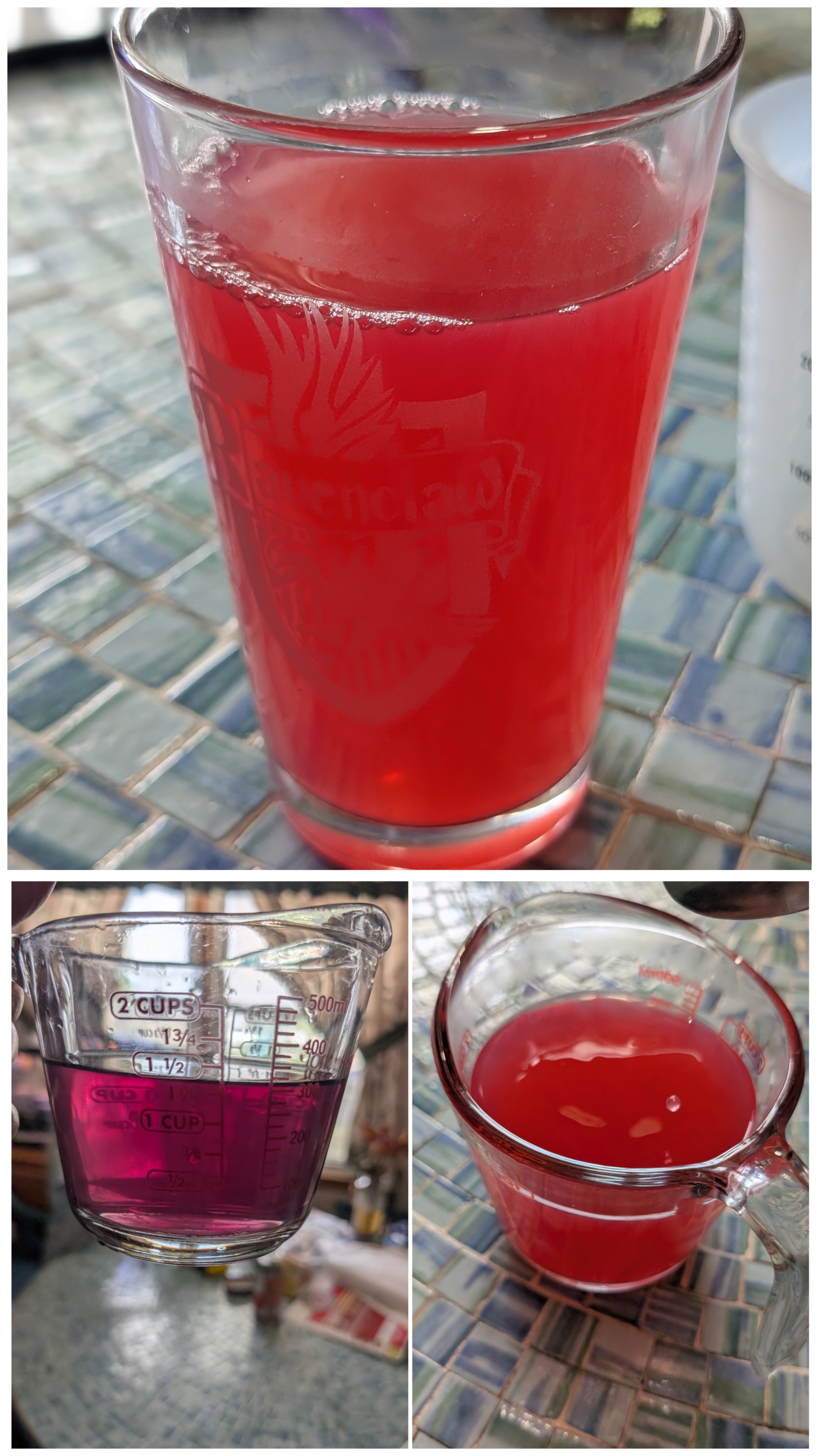
If you brew a strong tea out of just the bright Monarda blossoms, the water will turn a subtle, dull bluish-purple or faded red, depending on which variety you use. But thanks to natural pH indicators in the petals, adding acid (lemon juice) creates a “magical” transformation.
What to do: Steep 1/2 cup of fresh monarda petals in 1.5 cups of boiling water for 10-15 minutes, then strain. Stir 3-4 tablespoons of raw honey into the tea until dissolved. Once cooled enough to handle, let the kids pour in 1/4 cup of fresh lemon juice and watch the magic! Drink warm or cold – it’s delicious either way. Even my pickiest kid asks for seconds!
Faith Reflections: Beauty in the Wild and Broken Places
There is a beautiful spiritual lesson tucked into the way monarda grows. Unlike pampered garden roses that require pristine, fertilized soil, monarda thrives in the rough edges. You will find it flourishing in poor, dry soil, along rocky roadsides, and in prairies that have recently been scorched by fire. Even the “garden” varieties thrive on neglect.
It doesn’t wait for perfect conditions to bloom; it brings its healing, its fragrance, and its vibrant color directly into the dry and broken spaces of the earth. It is a living illustration of Isaiah 35:1:
“The desert and the parched land will be glad; the wilderness will rejoice and blossom. Like the crocus, it will burst into bloom; it will rejoice greatly and shout for joy.”
In our own lives, it is so easy to say, “I will serve, I will create, or I will love well once things settle down—once my circumstances are perfect.” But scripture reminds us that God’s grace isn’t dependent on perfect circumstances. Like the wildflowers around us, we are called to bloom right where we have been planted, scattering our unique fragrance and offering healing to those around us, even when the soil of our lives feels a little rocky or dry.
“For we are to God the pleasing aroma of Christ among those who are being saved and those who are perishing.”
~2 Corinthians 2:15
The next time you spot those colorful crowns standing tall against the blistering summer heat, let it be a reminder. If He clothes the wild, untamed fields with such intentional beauty, purpose, and healing properties, how much more will He sustain you?
“Consider how the wild flowers grow. They do not labor or spin. Yet I tell you, not even Solomon in all his splendor was dressed like one of these. If that is how God clothes the grass of the field, which is here today, and tomorrow is thrown into the fire, how much more will he clothe you?”
~Luke 12:27-28
You don’t need a perfect, orderly life to be useful to the Kingdom. Rest in the knowledge that God creates immense beauty out of the wild places—and He is doing the exact same thing in you.
I’d love to hear from you! Do you have Monarda growing near you? Have you tried making any food or medicine with it? Drop a comment below and let me know your favorite way to use it or what recipe here you are most excited to try!


Leave a comment and let me know what you think!