“I will pluck the yarrow fair, That more brave shall be my hand, That more warm shall be my lips, That more swift shall be my foot. May I an island be at sea, May I a rock be on land.”
— Ancient Gaelic Charm, Carmina Gadelica
**Before proceeding with this article, please note that these articles in my foraging for food and medicine series are very in depth and therefore can get a bit lengthy. I utilize a type of expanding detail feature for some things (particularly all the recipes) to help organize the post and make navigation easier. This feature does not work when reading directly from your inbox so if you want a more user-friendly read, please check at the top of your email and you should see an option to read directly on my blog where the features all work as they should. Thank you and enjoy!
If there is one plant that belongs in every backyard, foraging basket, and home apothecary, it’s yarrow (Achillea millefolium). Other common names for it are milfoil, old man’s pepper, bloodwort, thousand-leaf, and soldier’s woundwort. This resilient perennial has been woven through history, folklore, and medicine for thousands of years.
Did You Know?
Many of the first botanists were trained as physicians because they had been schooled in using plants as remedies. A doctor’s case contained plant medicines for a variety of problems. Yarrow was an important one to have for treating fever, diarrhea, loss of appetite, intestinal or menstrual cramping, and to relieve toothaches.
Whether you are looking to identify it on a nature walk, preserve it for winter, or introduce your kids to the wonders of foraging, this deep dive covers everything you need to know about this lovely flowering herb.
How to Confidently Identify Yarrow
Before you harvest, you must be 100% certain of your identification. Yarrow is a hardy perennial that grows in fields, roadsides, and sunny, disturbed soils.
Key Identification Features:
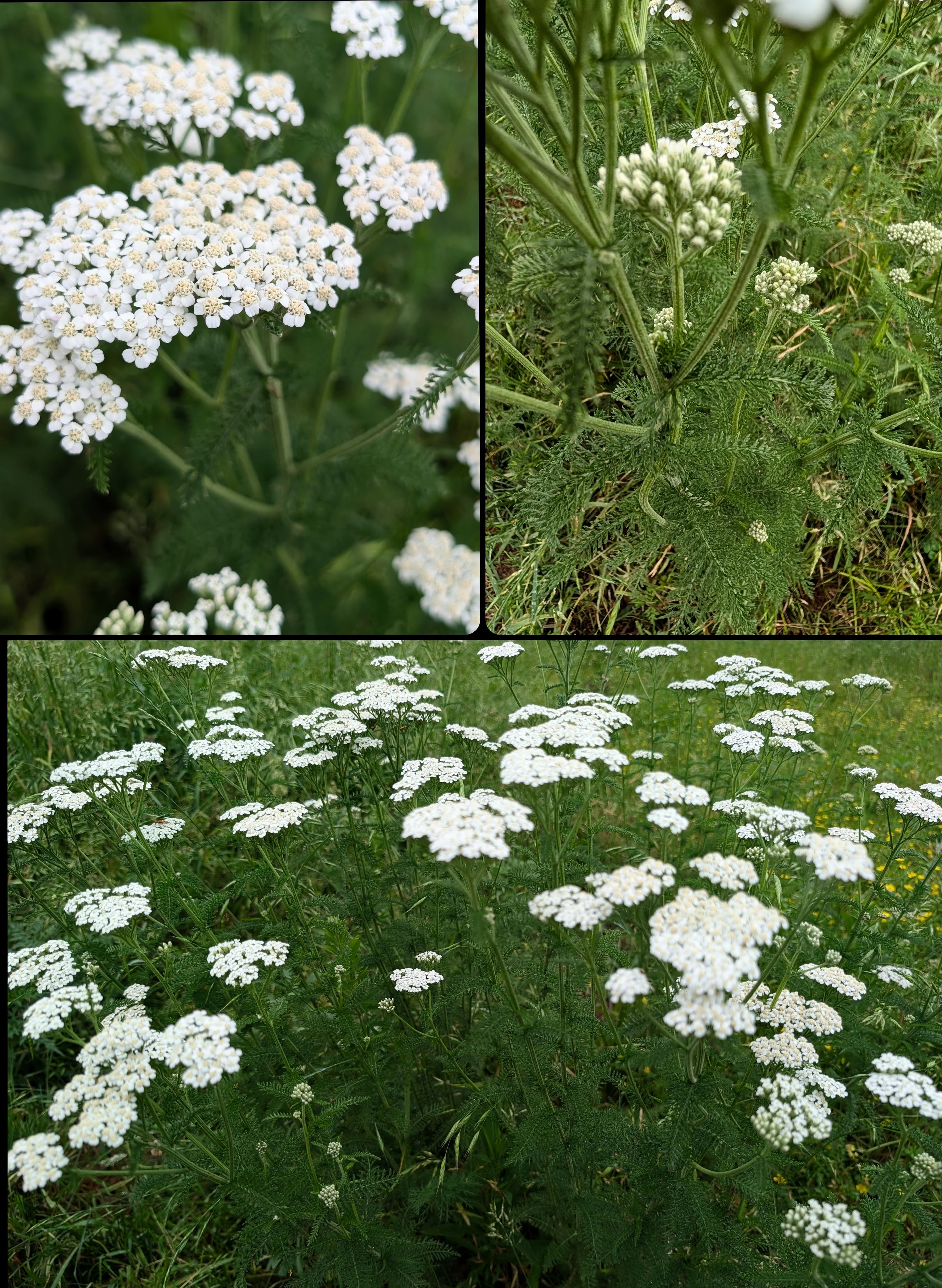
- The Leaves: Millefolium means “thousand leaves.” The leaves are highly dissected, feathery, and resemble tiny ferns. They have a soft, almost fuzzy texture.
- The Flowers: Yarrow blooms from late spring to autumn. It features flat-topped clusters (umbel-like cymes) of tiny, daisy-like flowers. While wild yarrow is typically white or cream, cultivated varieties can be pink, red, or yellow (be aware that the wild type is considered much more medicinal than cultivated varieties).
- The Scent: When crushed, the leaves have a distinct, pungent, and pleasantly medicinal aroma—earthy with a hint of pine and anise.
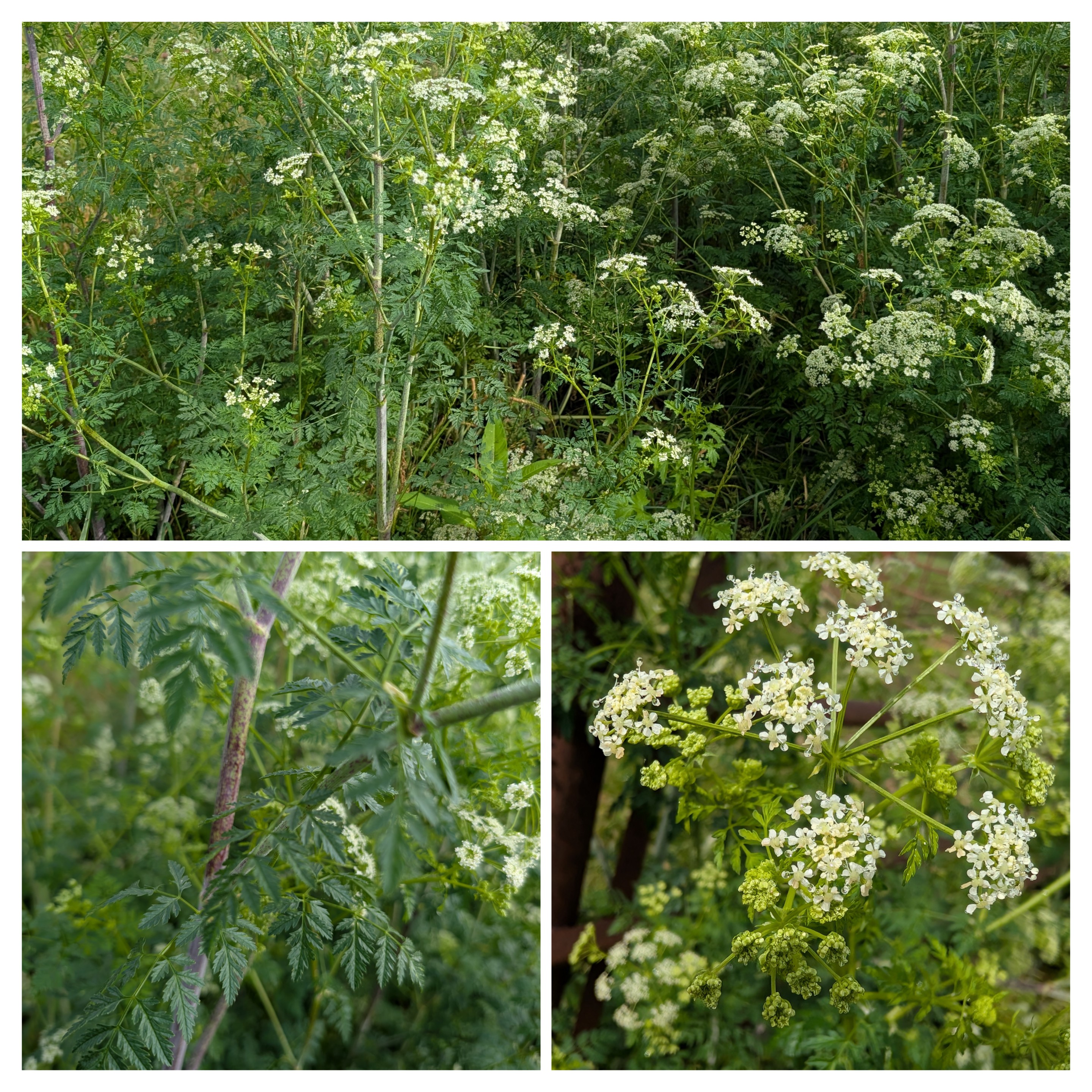
⚠️ Crucial Foraging Safety Warning: Yarrow has a deadly look-alike in the Apiaceae (carrot) family, specifically Poison Hemlock.
- How to tell them apart: Poison hemlock grows much taller (up to 8 feet; whereas yarrow rarely grows more than 2 feet from the ground), has hairless stems with purple splotches, and its leaves look more like parsley than the tight, feathery lace of yarrow. Poison hemlock also has an unpleasant, musty odor. Never consume any plant unless you are 100% certain of its identity.
Poison Hemlock
When and How to Harvest Yarrow
Yarrow is best harvested on a sunny, dry morning after the dew has evaporated but before the heat of the day diminishes its essential oils.
- For Medicinal Use: Harvest when the flowers are in full bloom but still fresh (not turning brown). Cut the top third of the plant, including the flower cluster and the upper leaves.
- For Culinary Use: Cut individual leaves from the base of the plant for seasoning meat, potatoes, or vegetables – use similarly to how you would use rosemary.
- For Practical Harvesting: Always leave at least two-thirds of the plant intact so it can regenerate. Use sharp shears rather than pulling, which can damage the root system.
⚠️Safety Note: Yarrow is an herb you will want to avoid when pregnant as it is a uterine stimulant.
Preservation Methods
To enjoy yarrow year-round, you need to dry or preserve it properly to lock in its beneficial properties.
- Air Drying (Best for Flowers): Bundle 4–5 stems together with a rubber band and hang them upside down in a warm, dark, well-ventilated area for 1–2 weeks. Hanging them inside a brown paper bag with holes poked in it works well. Once crispy, strip the leaves and flowers from the tough stems and store them in an airtight glass jar away from direct sunlight.
- Freezing: Chop yarrow finely, pack into ice cube trays and cover with water. Once frozen solid, store the cubes in labeled freezer bags. These can be dropped into a teapot and covered with boiling water to steep into tea.
- Tinctures: Fresh or dried yarrow can be steeped in high-proof alcohol (like 80-proof vodka) for 4–6 weeks to create a potent medicinal extract.
Bonus Tip: Yarrow is very useful in the garden because the leaves can be used make a liquid fertilizer and insecticide.
Culinary Uses for Yarrow
Yarrow is quite bitter, so a little goes a long way. It was historically used in Europe to bitter and preserve beer before hops became popular. While yarrow is used more commonly in medicinal capacities, there are ways to use it in the kitchen as well.
I have included links for a few books from which the below recipes come. I may receive a small commission if you make a purchase through them, at no extra cost to you. I will never recommend something unless I have first-hand knowledge of it and genuinely believe it to be valuable.
Yarrow contains high levels of potassium, vitamins A, C, E, F, and K and is high in flavanoids. Young, tender yarrow leaves can be finely chopped and added sparingly to salads or potato dishes for a peppery kick. You can also blend a small amount of finely minced fresh yarrow leaves with butter, lemon zest, and garlic to serve over roasted vegetables or mix into mashed potatoes. Pascal Baudar mentions yarrow numerous times in his book The New Wildcrafted Cuisine for such things as wild sodas, primitive brews/beers, cold infusions for beverages, spice blends, and flavoring fruits and berries preserved in alcohol. His book also provided the Mountain “Fish” Blend recipe I have included below.
Mountain “Fish” Blend
*This recipe is from The New Wildcrafted Cuisine and is a spice blend that is sour, salty, and spicy with hints of pine. Very nice used lightly on fish and can also be sprinkled on raw cashews that have been dipped in honey.
5 grams white fir
6 grams coarse sea salt
1 dehydrated lime or lemon (preferably lime)
4 grams chili powder (mild or hot)
0.5 gram dehydrated yarrow flowers
1 gram wild fennel seeds
1 small white sage leaf
8 grams lerp sugar (or 4 grams white sugar)
Using an electric grinder, reduce all the ingredients to a crude powder. Place the spice blend in an airtight jar right away so you don’t lose any aromas and flavors. It is always better after a few days.
Yarrow-flavored Goat Cheese
*Recipe from The Wild Food Gourmet
Place small, fresh goat cheese in a glass jar with a handful of yarrow leaves. Cover with olive oil. Marinate for a couple of days.
Lemonade from the Wild
*Recipe from The Wild Food Gourmet
1 cup boiling water
handful of young yarrow leaves
1 cup sheep sorrel
1/2 cup mint leaves
juice of 3 lemons
3 cups of cold water
sugar
Pour boiling water over yarrow leaves. Steep 15 minutes and then strain and cool. Put sorrel, mint, lemon juice, and yarrow tea in blender or food processor. Process at high speed. Strain. Add cold water and sugar to taste. Serve over crushed ice.
Yarrow Vinegar
*Recipe from The Wild Food Gourmet
4 cups apple cider vinegar
1 cup yarrow leaves
Pick young tender leaves. Macerate in vinegar for 3 weeks in the sun. Strain and bottle. Use to season dandelion salad (recipe here: Dandelions: Not a Weed – A Forager’s and Homesteader’s Treasure!) or mesclun (recipe here: Chickweed: The Forager’s Winter Star).
Yarrow Herbal Salt
*Recipe from Herbs in Every Season
Combine fresh yarrow with other aromatic herbs to create a unique seasoning and depth of flavor to any dish. Use as a 1:1 substitute for plain salt in your recipes.
1/4 cup fresh yarrow leaves and/or flowers (no stems)
1/4 cup fresh parsley leaves
1/4 cup fresh mint leaves
1/4 cup rosemary leaves
1 cup coarse salt
In a food processor, combine all the herbs and blend until finely chopped. Add the salt and pulse until combined with the herbs. The herbal salt can be refrigerated as is or laid out on baking sheets and allowed to dry on the counter for at least 24 hours. Once dried, herbal salt can be stored in the cupboard for up to 1 year.
Medicinal Uses for Yarrow
Yarrow’s scientific name, Achillea, stems from the Greek hero Achilles, who, according to folklore, used the herb to staunch the bleeding of his soldiers’ wounds, or in other stories, used yarrow to bind his own heel.
Disclaimer: I am not a doctor. Always consult with a medical professional before introducing new wild herbs into your diet, especially if you are pregnant, nursing, or have existing health conditions.
- Stypic (Bleeding Control): Powdered dried yarrow or a poultice of crushed fresh leaves is legendary for stopping minor bleeding from cuts and scrapes.
- Fever and Colds: Yarrow is a traditional diaphoretic (it promotes sweating). A hot cup of yarrow tea can help the body break a fever, soothe respiratory congestion, and even fight bacterial infections. One source (The Little Herb Encyclopedia) states yarrow usually breaks a cold within 24 hours.
- Astringent Toner: A cooled infusion (tea) of yarrow makes an excellent skin toner for oily or acne-prone skin.
- Stings, Bites, and Irritants: A poultice made with fresh, young yarrow leaves works better to sooth pain and swelling than commercial ointments.
The Lost Book of Herbal Remedies lists a long list of medicinal uses for yarrow:
- Stopping Internal and External Bleeding and Disinfecting Wounds
- Bruises, Sprains, Swelling, and Hemorrhoids
- Antibacterial and Antifungal
- Fevers, Colds, and Measles
- Menstrual Problems such as Excessive Bleeding and Cramping
- Dental Pain
- Mastitis
- Anxiety and Relaxation without Sedation
The Little Herb Encyclopedia adds to this list of uses:
- Effective against yeast infections.
- The tannin and choline in the flowers is a powerful virus inhibitor.
- Support and regulates liver and pancreas function.
- Aids with nausea and helps control fungus.
- Soothing and healing to mucous membranes.
- Blood cleanser, specifically of uric acid, thereby removing the cause of gout.
- Inflammatory skin conditions and much more….
Healing with Herbs mentions that a hot infusion of yarrow opens the pores and purifies the blood. Adding elder flowers and peppermint will help colds and flu. Drinking a pint of this infusion along with a hot water bottle wrapped in flannel wrung out of vinegar applied to the feet, has cured colds by the following morning. The author touts yarrow as one of the most valuable herbs in the world with a wide range of uses – many of which are covered in her book.
According to Lisa M. Rose, author of Midwest Medicinal Plants, yarrow can help dispel bruises, either with a yarrow ointment or tincture used as a topical liniment. Yarrow in combination with goldenrod, mullein, and St. John’s wort supports healing of musculoskeletal injuries such as bruises and bursitis. She also mentions its usefulness in stimulating the peripheral immune system during colds and flus. It blends well with boneset, echinacea, elderflower, spotted bee balm, and wild bergamot in teas or tinctures to support fevers during a cold or flu virus.
Backyard Pharmacy goes so far as to say that yarrow is good for so many, many things that you cannot afford to be without it.
⚠️Safety Notes: Individuals with sensitivity may be allergic to yarrow preparations so be sure to try a small test before using extensively. Yarrow should not be used by pregnant women or in children under two years of age. Prolonged use of yarrow is not recommended.
Did You Know?
According to Rosemary Gladstar’s Medicinal Herbs, yarrow is amphoteric, meaning it moves in the direction it is needed. For example, it can be used to stimulate menstrual cycles that are delayed and helps ease cramps. It can also be used to reduce heavy menstrual bleeding. This useful herb has the nickname “cure-all” for a reason!
Medicinal Recipes
Magic Potion
*Recipe from The Wild Food Gourmet
Rich in minerals and vitamins, this herbal tea is excellent as a spring cleansing treatment.
Pour hot, but not boiling, water over fresh or dried leaves of yarrow and stinging nettle. Infuse for 5 minutes.
Get Well Fast Potion
*Recipe is from A Kid’s Herb Book
Yarrow is very useful for fevers, colds and flu. For best results, make a strong tea using 1/2 teaspoon each of yarrow, elder, chamomile, and lemon balm; and 1/4 teaspoon each of ginger and licorice to 1 cup of water. Add some honey to taste and drink in 1/4 – 1/2 cup doses throughout the day to quickly chase your cold away.
Yarrow Tea
*Recipe from The Lost Book of Herbal Remedies
1 tsp dried yarrow flowers and/or leaves
1 cup boiling water
honey or maple syrup, if desired to sweeten
Pour 1 cup of boiling water over 1 tsp dried yarrow. Cover and allow to steep for 5 minutes. Sweeten, if desired.
*Note: This works well for an upset stomach and will help alleviate a cough or sore throat. A strong infusion also be used as a hair rinse or face wash, especially for those with an oily complexion.
Backyard Pharmacy also mentions that you can add elderflower and peppermint leaf to help open pores and purify the blood. Her recommendation is to drink 1 cup 3 times daily for gastritis/digestive problems, lack of appetite, or flatulence. Drinking 3-4 cups will help soothe your kidneys and get rid of extra water. She also mentions that a compress soaked in strong tea can be used externally for chronic low back pain, stubborn or painful wounds, and hemorrhoids/varicose veins/light nosebleeds. Also good for cardiovascular health and digestion.
Flu Tea with Yarrow
*Recipe from Backyard Pharmacy.
3 parts red raspberry leaf
1 part nettle
1 part alfalfa
1 part peppermint
1/4 part yarrow
Use a heaping teaspoon to a cup of boiling water or 2 tablespoons to a quart. Steep for 20 minutes. Strain and sweeten. Drink hot or cold.
Fever-Reducing Tea
*Recipe from Rosemary Gladstar’s Medicinal Herbs
1 part elder flower
1 part peppermint leaf
1 part yarrow flower and leaf
Prepare a strong infusion of the herbs by putting 4-6 tablespoons of dried herbs into a glass quart jar. Pour boiling water over the herbs, filling the jar. Let steep for 30-45 minutes. Strain. Drink 1/2 cup every 30 minutes to bring on a good sweat. Once you begin to sweat, reduce the amount of tea to 1/2 cup every hour and continue until the fever subsides.
Yarrow Tea for Coughing
*Recipe from Backyard Pharmacy.
1/2 cup yarrow flowers
1/4 cup plantain leaves
1/4 cup thyme leaves
1/4 cup calendula flowers
Mix the herbs together and use 1/4 cup of mix in one quart of boiling water. Remove from heat and let steep for 15-20 minutes. Strain and sweeten. Drink as needed for cough.
Yarrow for Cramps and Stomach Pain
*Recipe from Backyard Pharmacy.
1 cup yarrow flowers
1/2 cup chamomile blossoms
1/2 cup fennel seeds
Mix together and use 1 heaping teaspoon to a cup of boiling water. Steep at least 15 minutes. Strain and sweeten. Drink as needed.
Yarrow Tincture
*Recipe from The Lost Book of Herbal Remedies
Fresh yarrow leaves and flowers
Vodka, brandy, or other alcohol – 80 proof or higher
Chop yarrow into small pieces and pack tightly to fill a glass jar. Fill the jar with alcohol and cover it tightly. Check the jar every few days and add more alcohol as needed to keep the jar full. Allow the tincture to steep for 6-8 weeks. Strain the alcohol through a few layers of cheesecloth and squeeze out all the liquid. Discard the herbs, label the jar and store your tincture in a cool, dark place.
According to Rosemary Gladstar’s Medicinal Herbs, yarrow tincture can be used externally as a poultice by soaking a cotton cloth in it. Or to use internally, take 1/4 to 1/2 teaspoon of the tincture three to four times per day.
Yarrow Oil – two recipes
*Recipe 1 from The Lost Book of Herbal Remedies
Fresh or dried yarrow leaves
Organic olive oil (or other carrier oil)
If using fresh yarrow, cut leaves into one-inch pieces and allow them to dry. Place the herbs into a jar or heatproof container and add oil just to cover the herbs. Fill a small pot about 1/3 full of water and bring to a boil. Turn the heat down to a simmer before using. Place the jar of oil and herbs into the water, preventing the water from getting into the oil container. Use the water like a double-boiler to gently heat the oil and herbs for 2-3 hours. Do not overheat! Allow the oil to cool, then filter it through a couple of layers of cheesecloth. Squeeze the cheesecloth to get all the oil. Discard the herb and use the oil for medicinal purposes.
*Recipe 2 – Solar Infusion (the way I do it!)
Collect yarrow and allow to air dry. Once completely dry, grasp the end of the cut stems and stick flower end down into a glass jar. Use your fingers to strip the leaves and flowers from the stems, filling the jar about 3/4 full of leaves and flowers. Discard the stems or use for crafts. Cover the herbs with olive oil until completely submerged and then lid tightly. Place jar in a sunny window for at least 2-4 weeks, shaking daily. Strain out the herbs with cheesecloth.
Pictured are jars of yarrow and plantain during solar infusion. These will be mixed with beeswax later to make a super useful all-purpose salve.

Yarrow Salve
*Recipe from The Lost Book of Herbal Remedies
1/2 cup (4 oz) infused yarrow oil
1 oz beeswax
Using a double boiler, mix the beeswax and the infused oil until the beeswax has melted. Pour into jars or tins and let harden. Label and date.
*Note: Yarrow pairs very well with plantain in salves
Diaper Rash/All Purpose Salve
*Recipe from Backyard Pharmacy.
4 tablespoons dried comfrey leave (1 cup if fresh)
2 cups fresh plantain
2-4 tablespoons dried yarrow (1/2 cup if fresh)
1/4 cup fresh chickweed
1 tablespoon dried goldenseal
6-10 drops tea tree oil
olive oil and grated beeswax
If using fresh herbs, allow them to wilt for a day to remove mold-inducing moisture. Place the herbs into a jar or heatproof container and add oil just to cover the herbs. Fill a small pot about 1/3 full of water and bring to a boil. Turn the heat down to a simmer before using. Place the jar of oil and herbs into the water, preventing the water from getting into the oil container. Use the water like a double-boiler to gently heat the oil and herbs for 2-3 hours. Do not overheat! Allow the oil to cool slightly, then filter it through a couple of layers of cheesecloth. Squeeze the cheesecloth to get all the oil. Place infused oil back in the double boiler and add your beeswax, stirring until it melts and combines. Allow to cool slightly and then add your essential oil. Pour into tins and let solidify.
De-Bloating Yarrow Extract
*Recipe from Forgotten Home Apothecary
Yarrow has been traditionally used for its anti-inflammatory, digestive, antibacterial, coagulant, and diuretic properties. It can help relieve bloating by promoting digestion and reducing fluid retention.
1 cup dried yarrow flowers
2 cups 80-proof vodka or another neutral spirit
1 glass far with tight-fitting lid
Place yarrow flowers in the glass jar. Pour vodka over the yarrow, ensuring the flowers are fully submerged. Seal the jar tightly and place in a cool, dark place. Allow the mixture to steep for 4-6 weeks, shaking the jar gently every few days to ensure thorough mixing. After 4-6 weeks, strain the mixture through fine mesh or cheesecloth into a clean, dark glass dropper bottle. Discard spent yarrow flowers. Don’t forget to label the bottle.
Dosage: Take 10-20 drops of yarrow extract in a small amount of water up to 3 times daily as needed for bloating relief.
Stop-Bleeding Powder
*Recipe from Forgotten Home Apothecary
Yarrow has been used for centuries to promote wound healing and control bleeding. The active compounds in yarrow, such as tannins and flavonoids, contribute to its hemostatic effects, making it an excellent choice for creating a styptic powder to staunch bleeding from minor cuts and wounds. Kaolin clay, a natural mineral, known for its absorbent and soothing properties, enhances the effectiveness of styptic powder. You can also just use yarrow powder on its own.
2 tablespoons of dried yarrow
1 tablespoon of kaolin clay (optional)
Grind the dried yarrow into a fine powder. Thoroughly mix the yarrow powder and kaolin clay, if using. Store in a clean, airtight container.
Usage: Clean wound thoroughly and then apply a small amount of the styptic powder directly to the bleeding area. Gently press the powder onto the wound until the bleeding stops. Repeat as needed.
Alternatively, you can create a yarrow poultice using freshly harvested yarrow leaves – crush or chew and apply directly to the wound.
Tincture for Menstrual Health
*Recipe from Forgotten Home Apothecary
Yarrow (Achillea millefolium), shepherd’s purse (Capsella bursa-pastoris), and cramp bark (Viburnum opulus) are three herbs renowned for their ability to alleviate menstrual cramps. Yarrow’s anti-inflammatory properties are believed to help regulate menstrual flow. Shepherd’s purse and yarrow are both known for reducing excessive bleeding during menstruation. Cramp bark helps to ease muscle cramping and spasms.
1 part dried yarrow flowers/aerial parts
1 part dried shepherd’s purse aerial parts
1 part cramp bark
high-proof alcohol (such as vodka)
Ensure all equipment is clean and sterilized. Measure the dried herbs and combine in a glass jar. Pour alcohol over the herbs, making sure they are fully submerged. Use a ratio of 1 part herbs to 2 parts alcohol. Secure the lid tightly and place in a cool, dark place for about 4-6 weeks. Shake the jar daily to facilitate the extraction process. After the infusion process, strain the tincture using cheesecloth or fine mesh strainer. Store in a clean, dark glass bottle and label.
Dosage: 1/2 to 1 teaspoon of the tincture in a small amount of water, three times daily, starting a few days before your menstrual cycle and continuing throughout to help alleviate menstrual cramps.
Herbal Bug Spray Recipes
*Recipe 1 from Midwest Medicinal Plants
1 part catnip tincture
1 part chickweed tincture
1 part plantain tincture
1 part yarrow tincture
Combine tinctures. Add 1 part tincture mix to 1 part distilled water and pour into a spray bottle. Add 15 drops of essential oils per 4 ounces of bottled spray. Essential oils of lavender or lemongrass are mentioned in the recipe. (I would personally probably throw some cedarwood in there as well to help repel ticks.)
*Recipe 2 from Herbs in Every Season
1 cup mint
1 cup lemon balm
1 cup sage
1 cup tulsi
1 tablespoon dill tincture
1 tablespoon yarrow tincture
1 tablespoon lemon balm tincture
witch hazel
Pack the herbs into a quart jar and then fill the jar with boiling water. Cover and let steep overnight. Strain the infusion into another clean quart jar. Add the tinctures and then fill the jar to the top with witch hazel. Use a spray bottle to apply as needed.
Rosemary Gladstar’s Medicinal Herbs Book has several more recipes using yarrow such as salves and liniments that I did not include in this article. I highly recommend her book – very useful for anyone’s library!
Kid-Friendly Activities with Yarrow
Yarrow is a fantastic plant for introducing children to botany and nature-based crafts.
- Nature Paintbrushes: The sturdy stems and flat, textured flower heads make perfect natural paintbrushes. Let kids dip yarrow flowers into washable paint to create beautiful, textured stamp art.
- Clay and Playdough Impressions: Press fresh yarrow leaves and flowers into air-dry clay or salt dough to leave intricate, fern-like fossils. Once dry, kids can paint over the impressions.
- Dried Flower Arrangements: Hang some yarrow cuttings upside down until completely dry and then arrange them in a vase (no water) – these pretty flower arrangements will last a long time.
Faith and Spiritual Connections
Throughout history, yarrow has been deeply tied to faith, protection, and the spiritual world across various traditions.
- The Sign of Protection: In Christian folklore, yarrow was often referred to as “Herbe Militaris” or the “Carpenter’s Weed,” believed to be used by St. Joseph in his carpentry shop. It was traditionally hung in homes on St. John’s Eve to ward off illness and evil, symbolizing divine protection over the household.
- An Example of Resilience: From a spiritual perspective, yarrow is a beautiful example of resilience. It thrives in poor, compacted soil and harsh conditions, yet produces profound healing properties. It serves as a gentle reminder that beauty and healing can come from life’s most rugged and difficult terrains.
Next time you’re out checking the pastures, hiking or riding, or pulling weeds in the garden, keep an eye out for those soft, feathery leaves. Yarrow is so much more than a wild weed or an interesting lesson in history; it’s a living reminder of resilience and healing. Whether you’re hanging a bundle to dry, pressing leaves into playdough with the kids, or blending a wild herbal salt for the pantry, I hope this thousand-leaf wonder brings a bit of simple joy to your home and homestead.
Have you ever spotted wild yarrow on your property? What’s your favorite way to use it? Let me know in the comments below!


Leave a comment and let me know what you think!